Delve Deep into the World of Thyroid Blood Tests
What Is Involved in a Thyroid Blood Test?
Private Thyroid Blood Test in Cambridge: A thyroid blood test is an essential diagnostic procedure aimed at evaluating the levels of critical thyroid hormones within your bloodstream. The key hormones assessed include thyroxine (T4) and triiodothyronine (T3), both crucial for regulating various bodily functions such as metabolism, energy production, and overall hormonal balance. By analysing these hormone levels, healthcare professionals can identify potential thyroid disorders, including hypothyroidism (characterised by insufficient thyroid activity) and hyperthyroidism (indicating excessive thyroid activity). Gaining a comprehensive understanding of your thyroid health is vital, as it has a significant impact on both your physical and mental well-being.
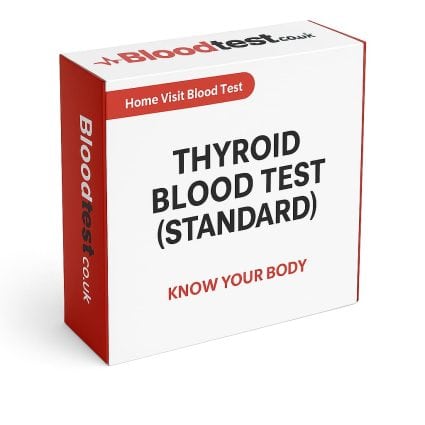

The thyroid gland, located in the neck, plays a vital role in producing hormones essential for regulating your body's metabolism and energy levels. When the thyroid gland does not function effectively, it can lead to various health issues, including persistent fatigue, unexplained weight gain, or sudden weight loss. Therefore, a thyroid blood test not only aids in diagnosing these critical issues but also supports the ongoing assessment of treatment efficacy. This test is fundamental in maintaining endocrine health, making it an indispensable component of modern medical care.
What Types of Thyroid Tests Can You Access?
A plethora of thyroid tests exist, each providing targeted insights into thyroid function. The most commonly performed tests include the Thyroid Stimulating Hormone (TSH) test, alongside T3 and T4 tests.
- TSH Test: This test measures the level of TSH secreted by the pituitary gland, responsible for regulating thyroid hormone production.
- T3 Test: This test assesses levels of triiodothyronine, the more biologically active thyroid hormone critical for metabolic processes.
- T4 Test: This test evaluates thyroxine levels to ascertain the thyroid's functional capacity.
- Thyroid Antibodies Test: This test detects antibodies associated with autoimmune thyroid conditions, such as Hashimoto’s thyroiditis.
- Free T3 and Free T4 Tests: These tests measure unbound hormones to gain a clearer perspective on active hormone levels.
- Reverse T3 Test: This test investigates how effectively the body converts T4 into T3, particularly in stress-related scenarios.
Each test serves a specific role in diagnosing various thyroid conditions. For instance, elevated TSH levels generally indicate hypothyroidism, while reduced TSH levels may suggest hyperthyroidism. Understanding these tests and their implications is crucial for anyone seeking to effectively manage their thyroid health.
Why Is It Essential to Conduct Regular Thyroid Testing for Your Well-Being?
Regular thyroid testing is crucial for maintaining optimal thyroid health, particularly for individuals with a family history of thyroid disorders or those experiencing symptoms such as fatigue, weight fluctuations, or mood alterations. Consistent monitoring of thyroid function through blood tests enables early detection of irregularities, allowing for timely intervention.
Establishing a routine testing schedule allows individuals to track variations in hormone levels and assists healthcare providers in modifying treatment plans when necessary. Early identification of conditions like hypothyroidism or hyperthyroidism can significantly enhance health outcomes and improve quality of life. Moreover, regular check-ups can help prevent complications associated with untreated thyroid imbalances, such as cardiovascular issues or osteoporosis.
Routine testing empowers patients to take charge of their health. By comprehending your thyroid levels, you can make informed lifestyle choices, including dietary modifications and exercise regimens, that significantly influence thyroid functionality. Consequently, committing to regular thyroid testing transcends mere medical responsibility; it becomes a proactive step towards comprehensive health management.
Key Preparatory Steps to Ensure Accurate Thyroid Blood Testing
Proper preparation for a thyroid blood test is essential for guaranteeing accurate and reliable results. Patients are often advised to follow specific guidelines prior to the test. For instance, fasting might be necessary for a designated period before the test, especially if other blood tests are being conducted simultaneously.
It is equally important to inform your healthcare provider about any medications or supplements you are currently taking, as certain substances can disrupt hormone levels. For example, biotin-containing supplements can skew test results and should be avoided at least 24 hours prior to testing. Your physician may provide tailored instructions based on your health profile, so closely following their recommendations is crucial.
On the day of the test, staying calm is advisable, as stress can also affect hormone levels. Maintaining hydration is encouraged unless fasting is required. Wearing clothing that allows easy access to your arm can facilitate a smoother blood draw. By adhering to these preparatory steps, you can significantly improve the accuracy and reliability of your thyroid test results.
How Can You Effectively Interpret Your Thyroid Test Results?
Interpreting your thyroid test results requires a solid comprehension of normal hormone ranges and their implications. Once your blood sample is analysed, your healthcare provider will elucidate the results, comparing your hormone levels with established reference ranges. For instance, a typical TSH level ranges from 0.4 to 4.0 mIU/L, while T4 levels generally range between 10 to 20 pmol/L.
Abnormal hormone levels can indicate various conditions; elevated TSH levels often signify hypothyroidism, whereas low TSH could suggest hyperthyroidism. Maintaining open lines of communication with your doctor regarding any symptoms you may be experiencing is crucial, as these can provide valuable context for interpreting your results.
Moreover, understanding your results enables you to manage your health proactively. If any irregularities are identified, your doctor may recommend further testing or a personalised treatment plan tailored to your specific health needs. This collaborative approach ensures you remain well-informed and actively engaged in decisions concerning your thyroid health.
Where Can You Access Comprehensive Thyroid Blood Testing Services in Cambridge?

Discover Local Clinics Offering Thyroid Testing Services
Cambridge boasts numerous local clinics that provide thyroid blood tests. These facilities typically offer a range of thyroid health services, including consultations and follow-up care. Selecting a clinic that prioritises patient care and offers comprehensive testing options is vital for effective thyroid management.
- Cambridge Medical Centre: Renowned for its patient-centred approach and thorough thyroid testing services.
- The Practice at 24: Provides a wide assortment of health services, including assessments focused on thyroid health.
- Cambridge Lab Services: Offers prompt and reliable thyroid testing, complemented by expert consultations.
- Hills Road Medical Practice: A well-regarded clinic delivering extensive thyroid health services.
When selecting a clinic, consider factors such as location, available services, and patient reviews. Many of these clinics are equipped to manage complex cases, offering personalised advice and treatment plans to assist you in effectively managing your thyroid health.
Utilising NHS Services for Accessible Thyroid Testing
The National Health Service (NHS) provides essential thyroid testing services at hospitals and clinics throughout Cambridge. Generally, patients can access these services through a referral from their General Practitioner (GP). This referral process ensures that your health needs are thoroughly evaluated before testing.
- Cambridge University Hospitals NHS Foundation Trust: Offers comprehensive diagnosis and management of thyroid disorders.
- Cambridge City Health Centre: Provides accessible thyroid testing along with follow-up services.
- North Cambridge Medical Centre: A well-respected facility that evaluates thyroid health.
- Chesterton Medical Centre: Conducts thyroid tests alongside various other health checks.
Accessing NHS services guarantees not only cost-effective care but also ensures that experienced professionals interpret your tests. This accessibility contributes to the community’s overall health and well-being, emphasising the importance of residents utilising these services.
Exploring Private Testing Options for Enhanced Thyroid Health
For individuals seeking faster results or more detailed analysis, private healthcare providers in Cambridge offer a variety of thyroid blood tests. These services can be particularly beneficial for those who prefer direct access to testing without the waiting times often associated with NHS services.
- Cambridge Private Health: Provides expedited thyroid testing, detailed results, and consultations.
- Spire Cambridge Lea Hospital: Well-known for its advanced diagnostic facilities, including thyroid assessments.
- Circle Health Group: Offers a comprehensive range of private health services, including thyroid testing.
- London Road Medical Centre: Provides private consultations and thyroid health services.
Opting for private testing can be especially beneficial for individuals with specific health concerns or those requiring immediate answers regarding their thyroid health. While costs may exceed those of NHS services, the speed and thoroughness of private tests can offer peace of mind and enable quicker health management.
How to Properly Prepare for a Thyroid Blood Test?
What Key Steps Should You Follow Prior to Undergoing the Test?
Adequate preparation for a thyroid blood test is critical for ensuring accurate results. Patients are often advised to follow specific guidelines before the test. Depending on your healthcare provider’s instructions, fasting for several hours before the test may be necessary, particularly if your blood test is part of a panel that includes other markers.
Always consult your healthcare provider for tailored instructions based on your health status and medications you may be taking. Additionally, it is crucial to disclose any supplements or medications, as some may influence hormone levels and, consequently, the test results.
Managing stress levels leading up to the test is advisable, as elevated stress can impact hormonal balance. A calm state can contribute to more accurate readings. Following these preparatory steps ensures reliable results that are essential for assessing thyroid health.
What to Expect During Your Thyroid Blood Test?
During a thyroid blood test, anticipate a straightforward procedure that typically involves the collection of a small blood sample. A healthcare professional will usually draw the sample from your arm, using a needle to access a vein. This process is quick, generally lasting only a few minutes.
While some individuals may experience mild discomfort or a brief pinch during the blood draw, the procedure is typically painless. After the sample is collected, you may be asked to apply pressure to the site to minimise any bleeding. It is essential to remain calm and relaxed throughout the test, as this can enhance the overall experience.
Once the blood is drawn, the sample is sent to a laboratory for analysis. The turnaround time for results can vary, typically ranging from a few hours to a week, depending on whether you opted for NHS or private testing. Your healthcare provider will discuss the results with you once available, providing insights into your thyroid health.
What Steps Should You Take After Your Thyroid Test?
After a thyroid blood test, your subsequent actions will largely depend on the results and your healthcare provider’s recommendations. Following the test, you will generally wait for the results to be processed, which can take a few days. During this waiting period, it is beneficial to monitor any symptoms you may have, as these can provide critical context for the results.
Your healthcare provider will review the test results and discuss them with you during a follow-up appointment. If your results remain within the normal range, they may recommend routine monitoring. However, if any abnormalities are detected, your doctor may propose further testing or a personalised treatment plan tailored to your needs.
Maintaining open communication with your healthcare provider regarding any persistent symptoms or concerns is paramount. Understanding your thyroid health is a collaborative process, and staying engaged empowers you to make informed decisions regarding your well-being. Whether it involves lifestyle modifications, medication, or additional testing, proactive management is essential for maintaining thyroid health.
Insights from Experts on Thyroid Blood Testing in Cambridge
Real-Life Cases Illustrating the Importance of Thyroid Testing in Cambridge
In Cambridge, local experts have shared valuable insights and experiences regarding thyroid testing. This practical knowledge proves instrumental for patients navigating their health journeys. Numerous clinics and healthcare professionals have documented case studies that demonstrate the effectiveness of thyroid testing in managing various thyroid conditions.
- Case Study 1: A local patient diagnosed with hypothyroidism experienced significant improvement after initiating regular thyroid testing, facilitating timely adjustments in medication.
- Case Study 2: An individual presenting with unexplained fatigue had their thyroid levels checked, revealing a previously undiagnosed thyroid condition that was successfully managed through medication.
- Case Study 3: A Cambridge-based healthcare provider identified a trend among young adults with thyroid issues, prompting community awareness initiatives highlighting the importance of testing.
- Case Study 4: A family history of thyroid disease encouraged proactive testing among relatives, resulting in early intervention and effective management of thyroid disorders.
These real-world examples underscore the importance of timely testing and its positive impact on patients’ lives. The shared experiences of individuals within the Cambridge community highlight the significance and effectiveness of regular thyroid assessments in maintaining thyroid health.
Actionable Strategies for Effective Management of Thyroid Health
Experts in Cambridge recommend several actionable strategies that individuals can adopt to manage their thyroid health effectively. Regular testing forms the foundation of effective management, but it should be complemented by lifestyle choices that support optimal thyroid function.
- Regular Testing: Schedule thyroid tests annually or as advised by your healthcare provider to monitor hormone levels.
- Dietary Modifications: Include iodine-rich foods, such as fish and dairy, as well as selenium and zinc to bolster thyroid function.
- Medication Adherence: If prescribed medication for thyroid conditions, ensure consistent adherence to treatment plans.
- Stress Management: Utilise relaxation techniques such as yoga or meditation to mitigate stress, which can adversely impact thyroid health.
- Physical Activity: Engage in regular exercise to enhance overall health and metabolic function.
- Community Involvement: Take part in local support groups or workshops focused on thyroid health to share experiences and receive expert guidance.
Implementing these strategies can significantly influence the management of thyroid conditions and enhance overall well-being. By adopting these measures, individuals can take control of their thyroid health and make informed decisions that align with their lifestyle and health objectives.
Expert Opinions on Interpreting Thyroid Test Results
Healthcare specialists in Cambridge offer invaluable guidance on interpreting thyroid test results. Understanding these results is essential for making informed decisions about your health. Importantly, the context of symptoms must be considered alongside laboratory results for an accurate assessment.
Experts emphasise that a collaborative approach to interpreting results is vital. For example, elevated TSH levels may indicate hypothyroidism, but symptoms such as fatigue and weight gain can further substantiate this condition. Conversely, low TSH might suggest hyperthyroidism, necessitating attention to symptoms like weight loss and increased heart rate.
Additionally, specialists encourage patients to document their symptoms and any lifestyle changes to present a comprehensive picture during consultations. By fostering open communication with healthcare providers, patients can gain a clearer understanding of their results and develop a tailored management strategy that suits their unique needs.
The Influence of Local Environmental Factors on Thyroid Health
Local environmental factors in Cambridge can significantly impact thyroid health, as explored by local experts. Various environmental conditions may affect thyroid function, making it crucial for residents to be aware of these influences.
- Exposure to Chemicals: Certain environmental toxins, such as heavy metals and pesticides, can disrupt thyroid function.
- Iodine Levels in Soil: Variations in soil iodine levels may influence dietary iodine intake, which is essential for thyroid health.
- Stressful Urban Environment: The pressures of urban living can elevate stress levels, affecting thyroid hormone production.
- Community Dietary Habits: Local dietary trends can significantly influence nutrient intake, critical for thyroid health, including selenium and zinc.
Understanding these factors enables individuals to make informed lifestyle choices that support their thyroid health. For instance, recognising the importance of a balanced diet and minimising exposure to environmental toxins can lead to better health outcomes. Community awareness initiatives can further educate residents on how environmental factors may impact thyroid function.
The Importance of Community Support in Managing Thyroid Conditions
Community support plays a crucial role in managing thyroid conditions in Cambridge. Local thyroid specialists highlight the value of community resources, such as support groups and health workshops, in raising awareness and fostering connections among individuals facing similar challenges.
- Thyroid Support Groups: Local groups provide a platform for shared experiences, allowing participants to discuss their journeys and learn from each other.
- Health Workshops: Regular workshops led by healthcare professionals educate participants on thyroid health management.
- Online Forums: Virtual communities offer support and resources for individuals unable to attend in-person meetings.
- Resource Libraries: Many clinics maintain resource materials, including pamphlets and guides on thyroid health.
These community support systems not only deliver valuable information but also create a sense of belonging, alleviating the isolation that often accompanies chronic health conditions. Engaging with community resources can significantly enhance thyroid health management, providing encouragement and practical strategies from those who understand the challenges.
What Are the Main Advantages of Regular Thyroid Blood Testing?
Early Detection of Thyroid Disorders through Blood Tests
One of the foremost advantages of thyroid blood tests is their capacity to facilitate the early detection of thyroid disorders. Many thyroid issues develop gradually and subtly, often going unnoticed until symptoms become evident. Regular testing can identify abnormalities in hormone levels even before symptoms manifest, enabling timely intervention.
For instance, early detection of hypothyroidism can prevent complications such as weight gain, cardiovascular issues, and mental health challenges. Similarly, identifying hyperthyroidism early can lead to quicker treatment, minimising the risk of severe health complications. The proactive nature of consistent testing empowers individuals to take control of their health and mitigate potential risks associated with untreated thyroid imbalances.
Early detection also allows for more effective management, enabling healthcare providers to formulate treatment plans that align with individual needs and preferences. Ultimately, the benefits of early detection extend beyond immediate health, promoting a more stable and fulfilling quality of life.
Monitoring Thyroid Health Over Time for Enhanced Outcomes
Ongoing monitoring of thyroid health through regular blood tests is vital for individuals diagnosed with thyroid conditions. Frequent thyroid testing provides a comprehensive view of hormonal fluctuations, ensuring that treatment plans remain effective over time.
For individuals managing conditions such as hypothyroidism or hyperthyroidism, consistent monitoring allows timely adjustments to medication dosages or treatment strategies. This adaptability is crucial for maintaining optimal thyroid function and overall health.
Furthermore, monitoring can help identify potential issues early, enabling prompt intervention and reducing complications. This commitment to routine testing underpins a proactive approach to healthcare, ensuring individuals can sustain a better quality of life as they age.
How Can Regular Thyroid Testing Improve Your Quality of Life?
Regular thyroid testing can significantly enhance the quality of life for individuals with thyroid conditions. By effectively managing thyroid health through regular testing, individuals often experience increased energy levels, improved mood, and enhanced overall well-being.
When thyroid hormone levels are balanced, patients frequently report feeling more energetic and motivated, positively impacting their daily lives. Additionally, stabilised thyroid function can lead to improved mental clarity and emotional stability, diminishing feelings of anxiety or depression that are often associated with thyroid imbalances.
Ultimately, the relationship between thyroid health and overall quality of life is undeniable. By prioritising regular testing and proactive management, individuals can enjoy a more vibrant and fulfilling life.
How to Accurately Interpret Results from Your Thyroid Blood Test?
Understanding the Importance of TSH Levels
Understanding TSH levels is essential for accurately interpreting thyroid test results. The pituitary gland produces thyroid-stimulating hormone (TSH), which plays a pivotal role in regulating thyroid hormone production. Normal TSH levels typically range from 0.4 to 4.0 mIU/L.
Elevated TSH levels usually indicate hypothyroidism, suggesting that the thyroid is not producing enough hormones. Conversely, low TSH levels may signify hyperthyroidism, where the thyroid overproduces hormones. The interpretation of TSH levels should be analysed alongside symptoms and other thyroid tests, such as T3 and T4, to provide a comprehensive assessment.
Healthcare providers will evaluate TSH results in conjunction with clinical signs and symptoms to determine the most suitable course of action. This collaborative approach ensures that individuals receive tailored information and care based on their unique health profiles.
What Insights Do T3 and T4 Levels Provide About Thyroid Function?
T3 and T4 levels are critical indicators of thyroid function, offering deeper insight into the gland’s efficiency. T3 (triiodothyronine) is the more active hormone, while T4 (thyroxine) is produced in larger quantities but is less active in the body.
Normal T3 and T4 levels can vary; typically, T4 levels range from 10 to 20 pmol/L, while T3 levels range from 4.0 to 8.0 pmol/L. Abnormal levels can indicate underlying thyroid disorders. For instance, elevated T3 levels may suggest hyperthyroidism, whereas low T4 levels may point towards hypothyroidism.
Healthcare professionals often assess T3 and T4 levels alongside TSH when diagnosing thyroid conditions, as each hormone contributes uniquely to overall metabolism and health. This comprehensive analysis enables the formulation of effective treatment strategies tailored to the individual’s specific needs.
When Should You Seek Additional Medical Advice Regarding Thyroid Health?
If your thyroid test results are abnormal, it is crucial to consult your healthcare provider for further evaluation. Abnormalities in TSH, T3, or T4 levels necessitate deeper investigation to determine the underlying cause.
Common symptoms linked to thyroid dysfunction include unexplained weight changes, fatigue, mood fluctuations, or variations in heart rate. If you encounter these symptoms alongside abnormal test results, prompt medical consultation is essential for developing an effective management plan.
Your healthcare provider may recommend additional testing to further evaluate thyroid function or investigate potential underlying conditions. Staying proactive about your health and seeking timely medical advice can help ensure optimal management of any thyroid-related issues.
Cost and Accessibility of Thyroid Blood Tests in Cambridge
What Is the Anticipated Cost of a Thyroid Blood Test?
The cost of a thyroid blood test in Cambridge can vary significantly based on whether you choose NHS services or private testing. For NHS patients, thyroid tests are generally provided at no cost when deemed medically necessary by a healthcare provider.
In contrast, private testing options typically incur costs ranging from £50 to £150, depending on the complexity and comprehensiveness of the tests. Additional fees may apply for consultations or follow-up appointments, particularly when engaging with private healthcare providers.
Understanding the costs associated with thyroid testing is crucial for budgeting; it is wise to research and inquire about specific pricing in advance. This ensures you are well-prepared when seeking assessments of your thyroid health.
Does the NHS Cover Thyroid Tests?
Generally, thyroid tests are covered by the NHS, provided a healthcare professional recommends them. This access is vital for individuals who may have undiagnosed thyroid conditions or those requiring ongoing monitoring due to previously diagnosed issues.
Coverage can vary based on local services and individual health needs. Therefore, discussing any concerns with your GP can clarify the availability and coverage of thyroid testing under the NHS. This access to essential healthcare services ensures that residents of Cambridge can maintain their thyroid health without financial barriers.
How Can You Efficiently Access Thyroid Testing Services?
To access thyroid testing services in Cambridge, the most common route is to consult your General Practitioner (GP). They can evaluate your symptoms and medical history to determine if a thyroid blood test is warranted. If necessary, your GP will refer you to NHS services for testing.
For those interested in private testing options, many local clinics and hospitals provide direct access to thyroid blood tests. Researching providers and scheduling appointments online can streamline the process. Regardless of the path you choose, being proactive about your thyroid health is crucial for effective management and overall well-being.
Frequently Asked Questions About Thyroid Testing
What Symptoms Indicate Possible Thyroid Issues?
Symptoms may encompass fatigue, weight fluctuations, mood changes, and alterations in heart rate. Regular check-ups can aid in early detection of issues.
How Frequently Should Thyroid Blood Testing Be Conducted?
It is generally recommended to have thyroid blood tests annually or as advised by your healthcare provider, especially if you have an existing thyroid condition.
Can Stress Impact Thyroid Levels?
Indeed, stress can affect thyroid hormone production, making stress management essential for optimal thyroid health.
Are There Specific Diets That Support Thyroid Health?
A balanced diet rich in iodine, selenium, and zinc can promote thyroid health. Consulting a healthcare provider for personalised dietary recommendations is advisable.
What Steps Should You Take If Your Thyroid Test Results Are Abnormal?
If your results are abnormal, consult your healthcare provider for further evaluation and a tailored management plan.
Is Thyroid Testing Painful?
The blood draw for thyroid testing is typically quick and causes minimal discomfort, often described as a brief pinch.
Can You Eat Before a Thyroid Blood Test?
Fasting may be required for certain tests; always follow your healthcare provider’s instructions regarding dietary restrictions before testing.
Are Thyroid Issues Hereditary?
Yes, thyroid issues can run in families, so individuals with a family history should consider proactive testing and management.
What Role Does Medication Play in Managing Thyroid Conditions?
Medications can help regulate hormone levels, particularly for conditions like hypothyroidism or hyperthyroidism, ensuring optimal thyroid function.
How Can You Maintain Long-Term Thyroid Health?
Regular testing, a balanced diet, stress management, and consultations with healthcare professionals are key components for sustaining long-term thyroid health.
Connect with us on Facebook!

This Article Was First Found On https://bloodtest.co.uk
The Article Thyroid Blood Test Guide: Key Insights for Cambridge Residents Was Found On https://limitsofstrategy.com
The Article Thyroid Blood Test Guide for Residents of Cambridge found first on https://electroquench.com