Exploring the Distinct Anatomy of Brachycephalic Cats and Their Breathing Challenges
Identifying Key Characteristics of Brachycephalic Skull Structures
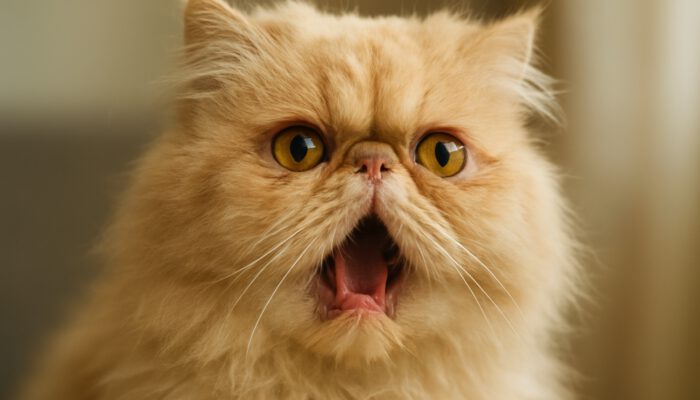
Cats with flat faces, known as brachycephalic breeds, possess a unique skull structure that greatly impacts their breathing abilities. This distinctive anatomical feature often leads to narrowed airways, which can severely obstruct normal airflow. these cats may experience heightened respiratory effort, rendering activities like playing or resting more challenging. It is imperative for cat owners to observe their pets’ breathing patterns closely, as any signs of distress can signify serious health issues.
The brachycephalic skull not only restricts airflow but also brings about a range of complications. For example, these cats frequently find it difficult to cope with physical exertion or high temperatures due to their impaired heat regulation. This inefficiency can lead to overheating and increased respiratory strain. it is crucial for owners to manage their cats’ environments and activities to ensure their comfort and well-being.
What Role Do Soft Tissue Obstructions Play in Breathing Difficulties for Flat-Faced Cats?
Excess soft tissue in the nasal passages and throat of flat-faced cats can create significant blockages that limit oxygen intake. This anatomical issue is often overlooked but can lead to severe complications if left unaddressed. Owners should be on the lookout for signs of these obstructions, such as snoring, coughing, or difficulty breathing, particularly during physical exertion.
Preventive care, including regular veterinary check-ups, is essential for identifying and managing issues related to soft tissue blockages. These appointments enable early detection of potential problems, allowing for prompt interventions. Maintaining a clean, allergen-free environment is also critical for supporting the respiratory health of these unique cats.
How Does Airway Configuration Affect the Health of Flat-Faced Cats?
The configuration of a flat-faced cat's airway is fundamental to its overall health. Owners should pay close attention to their cats' resting behaviours for any signs of strain, such as excessive panting or breathing difficulties. These symptoms may suggest that compressed nasal structures are causing discomfort or distress.
Observing a cat's behaviour during sleep can provide valuable insights into its respiratory health. If a cat frequently wakes up coughing or seems restless, it may be prudent to consult a veterinarian for a comprehensive assessment. Early detection of airway-related issues can lead to more effective treatment and enhance the cat's quality of life.
Which Factors Contribute to Respiratory Issues in Flat-Faced Cats?
How Does Inheritance Influence Breathing Challenges?
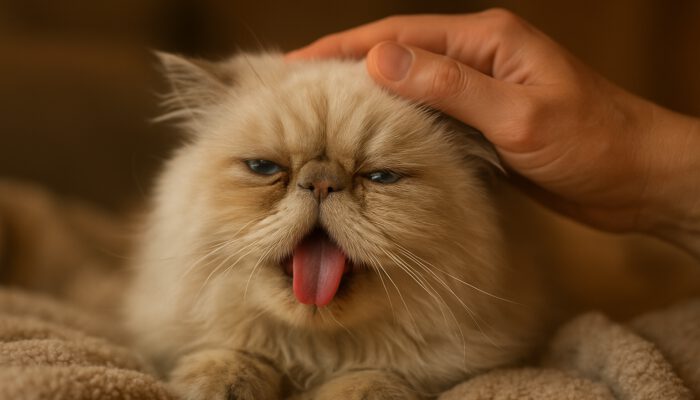
Inherited genetic factors play a significant role in the respiratory difficulties faced by flat-faced cats. These genetic traits, often resulting from selective breeding, lead to structural abnormalities that can compromise respiratory function throughout a cat's life. Breeders should prioritise health considerations over physical appearance when selecting breeding pairs to mitigate these issues.
The impact of genetics on respiratory health is particularly evident in breeds such as Persians and Himalayans, which are more susceptible to severe respiratory complications due to their brachycephalic traits. Understanding a cat's genetic background can help owners anticipate potential health challenges and seek preventive care proactively.
What Environmental Factors Aggravate Breathing Issues?
Environmental factors can exacerbate existing respiratory challenges in flat-faced cats. Common irritants, such as dust, pollen, and household chemicals, can heighten discomfort and even lead to respiratory infections if not effectively managed. Owners should strive to reduce their cats' exposure to these irritants to improve their health.
Creating a clean living environment is essential for these sensitive breeds. Regular vacuuming, employing air purifiers, and keeping windows closed during high pollen seasons can significantly reduce allergen levels. Proper humidity control within the home is also vital for enhancing respiratory comfort for flat-faced cats.
How Do Weight and Activity Levels Impact Respiratory Function?

Maintaining a healthy weight and appropriate activity levels is crucial for respiratory health in flat-faced cats. Excess weight places additional strain on the respiratory system, limiting mobility and aggravating symptoms during daily activities. Keeping a cat at a healthy weight is vital for improving airflow and overall well-being.
Owners can enhance their cats' respiratory health by implementing portion-controlled feeding and encouraging low-impact activities. Gentle play can help maintain a healthy weight while minimising the risk of overexertion that could cause stress. Regular consultations with veterinarians regarding diet and exercise are essential for effectively managing these factors.
Expert Recommendations for Managing Respiratory Issues in Flat-Faced Cats
Diagnostic Techniques Employed by Veterinarians
Veterinary diagnostic tools for flat-faced cats encompass various methods aimed at assessing airway function. Techniques such as endoscopy provide detailed visualisations of the nasal passages and throat, allowing veterinarians to identify hidden issues before they escalate. Imaging technology is also utilised to evaluate the severity of obstructions.
These evaluations are critical for developing effective treatment plans tailored to each cat's specific needs. Regular veterinary visits ensure ongoing monitoring of respiratory health, enabling veterinarians to adapt interventions as needed. Owners should report any changes in their cat's behaviour or breathing patterns to facilitate thorough assessments.
What Daily Monitoring Techniques Can Owners Employ?
Implementing daily monitoring techniques is essential for tracking the respiratory health of flat-faced cats. Owners can proactively observe their cats’ breathing rates and identify subtle changes that may require professional attention. Keeping a record of any irregularities can enhance discussions with veterinarians during check-ups.
Simple observations, such as noting the frequency of coughing or sneezing, can provide valuable insights into a cat's respiratory condition. Being vigilant for signs of distress during play or rest can help owners recognise when their cat may need medical intervention. Taking timely action is critical to prevent more severe complications.
How Does Diet Influence Respiratory Health in Flat-Faced Cats?
Diet is vital in promoting the overall respiratory health of flat-faced cats. Proper nutrition aids in maintaining an ideal weight, alleviating pressure on the respiratory system. Owners should prioritise high-quality, balanced diets that deliver essential nutrients without excess calories.
Certain dietary choices can also directly enhance respiratory health. For instance, incorporating omega-3 fatty acids may help reduce inflammation in the airways. Consulting with a veterinarian about appropriate dietary options ensures that cats receive the nutrition they need to thrive while minimising respiratory complications.
When Is Surgical Intervention Necessary for Respiratory Challenges?
Surgery may be necessary for flat-faced cats facing significant respiratory difficulties. Procedures like stenotic nares correction can effectively widen airways, improving airflow and overall quality of life. Specialists assess each cat's unique anatomical characteristics before recommending surgical options.
The results of these surgical interventions can be life-changing, leading to immediate enhancements in breathing and comfort. Owners should discuss the potential risks and benefits with their veterinarian to make informed decisions about their cat's treatment. Post-operative monitoring is crucial for ensuring a successful recovery and maintaining respiratory health.
How Do Environmental Factors Affect Respiratory Health?
Environmental conditions significantly influence the respiratory health of flat-faced cats. Factors such as humidity levels, common allergens, and household irritants can all impact breathing quality. Owners should actively work to create optimal living conditions that reduce respiratory distress and promote overall well-being.
Expert recommendations for improving the home environment include maintaining consistent humidity levels, using air purifiers, and avoiding smoking or strong fragrances. Regular cleaning and decluttering can also help minimise allergen exposure. Understanding how to cultivate a supportive environment is essential for enhancing the health of brachycephalic cats.
Effective Strategies for Addressing Respiratory Challenges in Flat-Faced Cats
When Should Surgical Options Be Explored?
Considering surgical interventions can be crucial for managing respiratory challenges in flat-faced cats. Procedures aimed at enlarging airways are often recommended by specialists following thorough assessments of the cat's specific anatomical needs. These surgeries can lead to significant improvements in breathing efficiency.
Owners should engage in discussions with their veterinarians about the appropriate timing for surgical interventions. Understanding the potential benefits and risks associated with these procedures is essential for making well-informed decisions. Post-operative care and monitoring are vital for ensuring successful outcomes.
How to Improve the Home Environment for Better Breathing?
Creating a supportive home environment is paramount for flat-faced cats with respiratory issues. Ensuring proper ventilation and minimising irritants can facilitate easier breathing during both rest and active periods. Owners should strive to establish calm spaces where their cats feel safe and comfortable.
Simple adjustments, such as using air purifiers, maintaining a tidy living area, and providing cosy resting spots, can greatly enhance respiratory comfort. Reducing exposure to allergens and irritants can help alleviate respiratory distress. A thoughtfully arranged living space promotes the overall health and well-being of these remarkable felines.
How Can Medications Aid in Respiratory Relief?
Medication options can be vital for providing relief to flat-faced cats experiencing respiratory challenges. Common prescriptions include anti-inflammatory medications, bronchodilators, and antihistamines, each offering distinct advantages. Key benefits of these medications include:
- Reducing inflammation in the airways
- Enhancing airflow and lung function
- Alleviating allergy-related symptoms
- Improving overall respiratory comfort
Consulting with a veterinarian is essential to identify the most suitable medication for each cat's specific needs. Regularly monitoring the cat's response to treatment can ensure optimal outcomes and facilitate necessary dosage adjustments.
What Effective Weight Management Strategies Can Be Adopted?
Implementing weight management strategies is crucial for enhancing respiratory health in flat-faced cats. Achieving an ideal weight through portion-controlled feeding and low-impact activities can significantly reduce strain on the respiratory system. Owners should collaborate with veterinarians to devise appropriate feeding plans.
Incorporating gentle exercise routines tailored to the cat's abilities can also improve lung capacity. Engaging in play sessions that encourage movement without causing overexertion is essential. Regularly monitoring weight and adjusting diet and activity levels can lead to meaningful enhancements in respiratory function.
Why Is Routine Veterinary Monitoring Important?
Routine veterinary monitoring is essential for flat-faced cats to maintain respiratory health over time. Scheduling regular check-ups enables early identification of potential complications, permitting timely adjustments to treatment plans. This proactive approach helps avert severe respiratory issues in these breeds.
Veterinarians can offer invaluable insights into monitoring techniques and necessary interventions tailored to the cat’s specific condition. Owners should maintain open communication with their veterinary team, reporting any changes in their cat's behaviour or health. Consistent care is vital for promoting long-term well-being.
How Can Cat Owners Improve Their Feline's Breathing?
Incorporating Gentle Exercise Routines
Integrating gentle exercise routines can markedly enhance the breathing of flat-faced cats while avoiding overexertion. Tailoring activities to suit the cat's abilities is crucial for promoting improved lung capacity. Short, low-impact play sessions can help maintain physical fitness without inducing undue stress.
Owners should supervise their cats during exercise to ensure they are not struggling or exhibiting signs of distress. Engaging with interactive toys or light play can make exercise enjoyable and beneficial. Regular participation in these activities supports respiratory health and overall wellness.
What Are the Advantages of Using a Humidifier?
Utilising humidifiers can be highly beneficial for flat-faced cats by soothing irritated nasal passages and promoting clearer breathing. Maintaining controlled moisture levels in the air can alleviate discomfort, especially during dry seasons or when indoor heating is operational. Owners should monitor humidity levels to ensure optimal conditions.
Placing a humidifier in the cat's resting area can create a more comfortable environment. It is vital to keep the device clean to prevent mould and bacteria growth. Regularly assessing the cat's response to increased humidity can help owners determine the most suitable settings for their specific needs.
Why Are Regular Veterinary Appointments Critical?
Regular veterinary appointments are crucial for maintaining optimal respiratory health in flat-faced cats. Scheduled visits facilitate early detection of issues and timely adjustments to care strategies. Owners should prioritise these appointments to ensure their cats receive the best possible care.
During check-ups, veterinarians can evaluate the cat's breathing, weight, and overall health status. Owners should arrive prepared with notes on any changes in behaviour or respiratory patterns. This proactive approach helps ensure that any potential problems are addressed swiftly, supporting the long-term well-being of these unique breeds.
Long-Term Care and Treatment Strategies
Establishing Continuous Support Strategies
Developing continuous support strategies is vital for flat-faced cats to ensure that treatments remain effective over time. Regular veterinary follow-ups allow for adaptations based on any changes in the cat's health status. This proactive strategy helps maintain respiratory well-being and prevents complications from arising.
Veterinarians can provide personalised recommendations for ongoing care, including dietary modifications and monitoring strategies. Owners should actively participate in their cat's health journey, collaborating on the development and implementation of support plans. Maintaining communication with the veterinary team is essential for ensuring long-term success.
Assessing Alternative Therapies
Alternative therapies, such as acupuncture and physical therapy, can offer valuable relief for some flat-faced cats when thoughtfully integrated with conventional medical treatments. These approaches may help alleviate discomfort and enhance overall quality of life. Owners should consult their veterinarians to determine the suitability of these options.
Incorporating alternative therapies can augment the effectiveness of traditional treatments. Regular sessions may yield additional benefits, such as improved mobility and reduced stress levels. Understanding how to balance these therapies with standard care is critical for achieving the best outcomes.
How Can Lifestyle Changes Enhance Respiratory Health?
Lifestyle modifications can significantly enhance comfort and decrease the frequency of respiratory episodes in flat-faced cats. Key advantages include:
- Creating a calm and low-stress environment
- Implementing consistent exercise routines
- Maintaining a clean living space
- Monitoring dietary choices for optimal health
These changes can lead to improved overall well-being and respiratory function. Owners should work closely with their veterinarians to identify specific lifestyle adjustments that can benefit their cats. A proactive approach to care is essential for ensuring long-term respiratory health.
Common Questions and Answers
What are the prevalent respiratory issues seen in flat-faced cats?
Common respiratory challenges in flat-faced cats include snoring, coughing, difficulty breathing, and increased respiratory effort. These issues often stem from anatomical features that restrict airflow.
How can I recognise breathing problems in my flat-faced cat?
Signs of breathing difficulties in flat-faced cats encompass laboured breathing, excessive panting, coughing, and noticeable changes in behaviour. Vigilant monitoring of these symptoms is essential for early intervention.
What actions should I take if my cat is struggling to breathe?
If your cat is experiencing breathing difficulties, seek immediate veterinary assistance. Quick intervention is crucial to address any underlying respiratory issues and ensure your cat's safety.
Are there specific dietary recommendations for flat-faced cats?
Yes, high-quality, balanced diets that help maintain an optimal weight are advisable for flat-faced cats. Consulting with a veterinarian can assist in identifying suitable food options.
How often should I schedule veterinary visits for my flat-faced cat?
Regular veterinary visits, ideally every six months, are recommended for flat-faced cats. These check-ups facilitate early detection of potential respiratory issues and timely adjustments to care plans.
Can exercise improve my flat-faced cat's respiratory health?
Gentle exercise can enhance lung capacity and overall respiratory health in flat-faced cats. Tailoring activities to their abilities is important to prevent overexertion.
What environmental factors might impact my cat's breathing?
Environmental factors such as humidity levels, allergens, and household irritants can significantly influence a flat-faced cat's breathing. Creating a clean and supportive living environment is essential.
Are there surgical options for flat-faced cats with breathing difficulties?
Yes, surgical interventions, such as stenotic nares correction, can improve airflow in flat-faced cats facing significant respiratory challenges. Consulting a specialist is important for determining the best approach.
How do medications assist in managing respiratory issues?
Medications can reduce inflammation, improve airflow, and alleviate allergy symptoms in flat-faced cats. Consulting with a veterinarian is crucial for determining appropriate treatment options.
How can I support my cat's respiratory health at home?
Supporting your cat's respiratory health at home includes maintaining a clean environment, monitoring their weight, providing gentle exercise, and ensuring regular veterinary check-ups. These practices contribute to their overall well-being.
Visit Our Facebook Page for Additional Insights!
The Article Respiratory Problems in Flat-Faced Cats: Care Guide First Published On https://elgatoencasa.com
The Article Flat-Faced Cats: A Care Guide for Respiratory Issues Was Found On https://limitsofstrategy.com
The Article Care Guide for Respiratory Issues in Flat-Faced Cats found first on https://electroquench.com