Your Comprehensive Guide to Blood Tests for Iron Deficiency in Northampton
What Should You Anticipate During Your Blood Test?
Private Blood Test for Iron Deficiency in Northampton: Patients should expect a simple venepuncture carried out at various NHS or private clinics. This procedure involves taking a small blood sample from a vein, usually in the arm. The collected sample is sent to a laboratory for detailed analysis, where critical indicators, including ferritin and haemoglobin levels, are measured. These indicators are crucial for accurately diagnosing iron deficiency, a common concern in the UK's healthcare system. The entire process is generally swift, lasting only a few minutes, and is conducted by trained healthcare professionals.
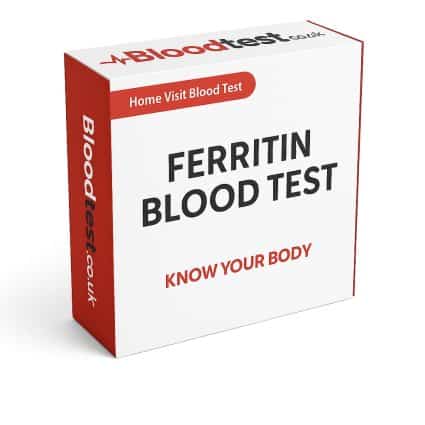

Before the blood test, healthcare providers will thoroughly explain the procedure and answer any questions that may arise. Feeling at ease and informed is vital, as it can help alleviate any anxiety associated with the process. Typically, the blood draw is not painful, though some individuals may experience minor discomfort. Once the sample is taken, you can usually return to your regular activities without any limitations, making this a convenient option for those looking to assess their iron levels.
The time taken to receive blood test results can vary, ranging from a few hours to several days, depending on the clinic’s capabilities and workload. Many Northampton clinics aim to provide prompt results, enabling patients to quickly consult their GPs regarding any necessary follow-up actions. This quick turnaround is essential for effectively managing iron deficiency and ensuring individuals receive timely care.
Essential Preparations to Achieve Accurate Test Outcomes
To ensure accurate results from your blood test for iron deficiency, consider the following important preparatory steps:
- Avoid consuming iron-rich foods or supplements for at least 24 hours before the test.
- Refrain from eating or drinking anything except water for a minimum of 12 hours prior to the test.
- Inform your healthcare provider of any medications you are currently taking, as some may influence the results.
- Stay well-hydrated by drinking plenty of water on the day of the test.
- Wear clothing with sleeves that can be easily rolled up to facilitate the blood draw.
By following these guidelines, you can help ensure that your blood test results accurately reflect your true iron levels. If you have specific health concerns or conditions, discussing them with your healthcare provider beforehand is advisable. They can offer personalised advice to aid in your preparation. Effective preparation not only guarantees accurate results but also contributes to a smoother testing experience.
Post-blood test, it may be advantageous to keep a record of your symptoms and dietary habits. This information can be invaluable during follow-up consultations with your GP, assisting in the interpretation of your results and determining the most suitable course of action.
How to Choose the Right Clinic for Your Blood Test in Northampton
When selecting a clinic for your blood test in Northampton, it is essential to verify the clinic’s accreditation and the speed of results delivery. Look for facilities registered with the Care Quality Commission (CQC), which ensures compliance with the UK’s healthcare service standards. Accredited clinics are more likely to deliver accurate testing and reliable results, which are crucial for effectively diagnosing iron deficiency.
Consider the clinic’s location and accessibility. Some patients may prefer NHS facilities due to the absence of direct costs, while others might choose private clinics for quicker service. Researching patient reviews and testimonials can also provide insights into the quality of care offered by various clinics. This information can help you make an informed decision about where to have your blood test.
Inquire about the clinic’s turnaround times for results. Some facilities may offer same-day results, while others may take several days. Knowing how soon you can expect your results will enable you to plan your follow-up consultations with your GP. Selecting a clinic that aligns with your needs and expectations can enhance the convenience and effectiveness of iron deficiency testing.
What Do Your Blood Test Results for Iron Deficiency Mean?
In Northampton, individuals can consult local GPs to interpret their blood test results, focusing on ferritin and haemoglobin levels. Ferritin, a protein that stores iron in the body, is a crucial marker of iron levels. Low ferritin levels may suggest iron deficiency, while haemoglobin levels indicate the oxygen-carrying capacity of your blood. Understanding these results is essential for identifying deficiency levels and potential causes of anaemia.
Your GP will explain what your results mean in relation to your overall health. They may discuss dietary habits, existing health conditions, or medications that could be influencing your iron levels. This conversation is vital, as it empowers you to make informed decisions regarding supplementation or further investigations that may be required.
If your results indicate iron deficiency, your GP will likely suggest dietary modifications or iron supplements. They may also recommend additional tests to identify the underlying cause of the deficiency, such as gastrointestinal assessments if absorption issues are suspected. This comprehensive approach ensures that you receive tailored care that meets your individual needs.
What Follow-Up Actions Should You Take After Your Blood Test?
Once you receive your blood test results from Northampton clinics, it is important to arrange a follow-up appointment with your GP. This meeting is crucial for reviewing your findings together and discussing any necessary subsequent steps. Your GP will explain the results in detail, ensuring you understand their implications for your health. If iron deficiency is confirmed, they will provide guidance on dietary adjustments or iron supplements that may be necessary.
Monitoring your progress is essential following a diagnosis of iron deficiency. Your GP may recommend regular follow-up tests to evaluate how well your body is responding to any treatment or dietary changes. This ongoing assessment is critical for ensuring your iron levels normalise and that any underlying issues are promptly addressed.
To medical guidance, consider discussing lifestyle modifications that can enhance your iron levels. This may include incorporating more iron-rich foods into your diet, such as lean meats, leafy greens, and fortified cereals. Staying informed and proactive about your health can significantly improve your overall wellbeing and help prevent future deficiencies.
Expert Guidance on Blood Tests for Iron Deficiency in Northampton
Laboratory Standards in Local Clinics
In Northampton, numerous clinics uphold high laboratory standards when conducting blood tests for iron deficiency. For instance, NHS facilities must adhere to stringent quality control measures to ensure accurate handling and analysis of blood samples. This adherence is crucial for obtaining reliable results, which can greatly impact patient care. Private clinics often maintain similar standards, providing additional options for patients who prefer expedited services.
Reputable local laboratories include those associated with Northampton General Hospital, recognised for its commitment to quality diagnostics. Patients can trust that their blood samples will be processed using cutting-edge equipment and techniques. Many laboratories participate in external quality assurance programmes to validate the accuracy of their testing, thereby enhancing confidence in the results they provide.
When selecting a clinic, it is wise to inquire about their laboratory practices. Understanding how they handle samples, the technology they utilise, and their accreditation status can empower patients to make informed decisions. This knowledge is particularly essential for those seeking reliable assessments of their iron levels, as it directly influences the quality of care received.
How to Interpret Your Test Results
Understanding your test results is a vital step in assessing your health status concerning iron deficiency. Once you receive your results, consulting with your GP is essential, as they can provide a thorough analysis of your ferritin and haemoglobin levels. They will explain what these figures indicate regarding your overall wellbeing and any symptoms you may be experiencing.
If your results show low iron levels, your GP may recommend further investigations to ascertain the cause. This may involve additional blood tests or referrals to specialists, depending on your specific situation. Grasping the underlying factors that contribute to your deficiency is crucial for developing the most effective treatment plan.
Patients should actively engage in their healthcare by asking questions and seeking clarification during their consultations. Keeping track of your symptoms and dietary habits can provide valuable context for your GP, enabling them to tailor their recommendations to your individual needs. This proactive approach can significantly enhance the management of iron deficiency and improve overall health outcomes.
Avoiding Common Pitfalls in Healthcare
When seeking healthcare for iron deficiency in Northampton, it is important to avoid several common mistakes. A major concern is neglecting to follow up on test results. Many patients may feel relieved after undergoing their blood test; however, it is essential to schedule a follow-up appointment with your GP to discuss the findings. Failing to do so can result in untreated deficiencies and associated health complications.
Another frequent error is relying solely on online information or self-diagnosis. While educating oneself about iron deficiency can be beneficial, consulting with a healthcare professional is crucial for an accurate diagnosis and appropriate treatment. Self-medicating with iron supplements without professional guidance can lead to complications, including iron overload, which can be detrimental to your health.
Patients should not dismiss symptoms as mere fatigue or general malaise. If you experience persistent tiredness, pallor, or other related symptoms, it is vital to seek testing. Early detection and intervention are key to effectively managing iron deficiency, ensuring that you maintain optimal health and wellbeing.
What Is the Impact of Iron Deficiency on Northampton Residents?
Frequently Reported Symptoms in the Area
Fatigue and pallor are among the most commonly reported symptoms of iron deficiency in Northampton. Many residents experiencing these symptoms often seek testing, reflecting the typical manifestations observed across UK populations facing dietary or absorption challenges. Fatigue can be particularly debilitating, interfering with daily activities and negatively impacting overall quality of life.
To fatigue, individuals may experience other symptoms such as shortness of breath, dizziness, and brittle nails. The severity of these manifestations can vary depending on the extent of the deficiency. Recognising these symptoms early is crucial for prompting individuals to seek appropriate testing and treatment.
Local healthcare providers are well-equipped to address these symptoms, offering blood tests and subsequent consultations to determine the underlying causes. By understanding the connection between these symptoms and iron levels, residents can take proactive steps towards improving their health and wellbeing.
Understanding the Prevalence of Iron Deficiency in the UK
Research indicates significant rates of iron deficiency among specific demographics in Northampton, underscoring the need for accessible testing services across the nation. For example, women of childbearing age, children, and individuals with certain medical conditions are particularly at risk for iron deficiency. This demographic focus highlights the necessity for targeted public health initiatives and awareness campaigns.
The prevalence of iron deficiency is not uniform across the UK; various factors such as diet, socioeconomic status, and access to healthcare play significant roles. In Northampton, local health authorities recognise these disparities and work to ensure that testing services are available to those who need them most. This proactive approach aims to improve health outcomes and reduce the incidence of complications related to iron deficiency.
Tackling the prevalence of iron deficiency requires a collective effort from healthcare providers, community organisations, and individuals. By promoting awareness and encouraging regular testing, residents can better understand their iron levels and take appropriate actions to maintain their health.
Long-Term Health Risks Associated with Untreated Iron Deficiency
Untreated iron deficiency can lead to serious long-term health consequences, making prompt blood tests essential for maintaining wellbeing in Northampton. Chronic iron deficiency may result in anaemia, a condition characterised by a reduced number of red blood cells, exacerbating fatigue, weakness, and other health issues. Left unaddressed, anaemia can lead to more severe complications, including heart problems and impaired cognitive function.
Individuals with iron deficiency may experience compromised immune function, making them more susceptible to infections. This increased vulnerability can have a cascading effect on overall health, as frequent illnesses can disrupt daily activities and diminish quality of life. Recognising these risks highlights the importance of early detection and intervention through regular blood testing.
Healthcare providers in Northampton are committed to addressing these long-term implications by raising awareness of iron deficiency and promoting timely testing. By fostering a proactive approach to health, residents can take charge of their wellbeing and reduce the risk of complications associated with untreated iron deficiency.
Research-Supported Benefits of Blood Tests for Iron Deficiency in Northampton
The Advantages of Early Detection
Timely identification of iron deficiency enables patients in Northampton to address it before it worsens. Research within the UK medical community supports the assertion that early detection through blood tests can significantly improve health outcomes. By recognising low iron levels promptly, individuals can implement dietary changes or begin supplementation, minimising the risk of developing more severe complications.
Access to blood tests for iron deficiency is vital for promoting preventive care. Regular testing allows individuals to monitor their iron levels, especially those at higher risk, such as pregnant women or people with chronic health conditions. This proactive approach empowers patients to take control of their health and make informed decisions about their wellbeing.
In Northampton, healthcare providers increasingly recognise the importance of early detection. By advocating for regular testing and educating patients about the signs and symptoms of iron deficiency, they aim to foster a culture of preventive health. This shift towards proactive care can lead to improved long-term health outcomes for residents.
Evaluating Treatment Effectiveness through Regular Testing
Regular testing for iron deficiency not only facilitates early detection but also assists in tracking the effectiveness of treatment. Patients undergoing dietary changes or taking iron supplements can benefit from follow-up blood tests to assess their progress. This ongoing monitoring provides valuable feedback, enabling healthcare providers to adjust treatment plans as required.
In Northampton, healthcare professionals emphasise the significance of follow-up testing to ensure that patients are responding well to their treatment. If blood tests indicate that iron levels are not improving, further investigations may be necessary to identify underlying causes or modify treatment strategies. This tailored approach guarantees that patients receive the most effective care possible.
Monitoring treatment effectiveness can motivate patients and keep them engaged in their health journey. Observing improvements in their iron levels can encourage individuals to adhere to dietary recommendations and continue taking supplements as prescribed. This positive reinforcement is crucial for achieving long-term health goals and preventing future deficiencies.
Reducing the Need for Hospital Admissions through Regular Testing
Implementing regular blood tests for iron deficiency can significantly reduce hospital admissions in Northampton. By identifying and addressing iron deficiency early, healthcare providers can prevent complications that may necessitate hospitalisation. For instance, untreated iron deficiency can lead to severe anaemia, requiring emergency interventions, including blood transfusions.
Regular testing enables healthcare providers to manage patients’ conditions more effectively. By monitoring iron levels and adjusting treatment plans accordingly, healthcare professionals can help individuals maintain optimal health and avoid the need for more intensive care. This proactive approach benefits patients and alleviates pressure on local healthcare resources.
Educating residents about the significance of iron testing can foster a culture of preventive care. By encouraging individuals to seek testing and treatment early, Northampton can cultivate a healthier population, ultimately reducing the overall burden on the healthcare system. This shift towards prevention and early intervention is essential for improving community health outcomes.
Enhancing Long-Term Health Outcomes through Consistent Testing
Studies conducted in the United Kingdom demonstrate that consistent blood testing for iron deficiency in Northampton leads to improved long-term health outcomes. Regular testing facilitates early identification and management of deficiencies, preventing complications such as severe anaemia and associated health concerns. This proactive approach is critical for maintaining overall wellbeing and quality of life.
By addressing iron deficiency promptly, individuals can enhance their energy levels, cognitive function, and immune response. This improvement not only enhances their daily lives but also reduces the risk of developing chronic health conditions related to untreated deficiencies. Long-term health outcomes are significantly better when individuals take responsibility for their iron levels through regular testing and timely interventions.
Healthcare providers in Northampton are committed to raising awareness of iron deficiency and the importance of regular blood tests. By fostering a culture of preventive health, they aim to empower residents to take control of their health, ultimately leading to a healthier community and improved long-term outcomes for all.
What Are the Financial Considerations for Blood Tests?
NHS Blood Test Accessibility for Northampton Residents
Individuals eligible in Northampton typically have access to blood tests for iron deficiency at no direct cost through their general practitioners. This aligns with the United Kingdom’s public health provisions, aiming to provide essential diagnostics without financial barriers. Patients can schedule appointments with their GPs, who will evaluate their symptoms and determine the necessity for testing.
The NHS prioritises accessibility and affordability, ensuring that residents receive necessary healthcare services without incurring substantial costs. For those who qualify, this system facilitates timely diagnosis and management of iron deficiency, contributing to better overall health outcomes.
It is important for patients to be aware of their eligibility for NHS services and to communicate with their GPs regarding any concerns about iron deficiency. By utilising these resources, individuals can take proactive steps to maintain their health without the burden of financial stress.
Understanding the Costs of Private Testing Options
Private clinics in Northampton may charge varying fees for blood tests related to iron deficiency, influenced by several factors. Typically, the cost depends on the speed of service, the specific tests conducted, and whether additional markers are assessed alongside iron levels. Patients seeking quicker results may find that private clinics offer expedited testing options at a higher price.
For example, basic blood tests for iron deficiency can range from £30 to £100, depending on the clinic and the comprehensiveness of the testing. Some clinics may offer packages that include multiple tests or consultations, which can affect the total cost. Patients should inquire about pricing upfront and clarify which services are included in the fee.
Patients should also consider the potential benefits of private testing, such as shorter wait times and more flexible appointment scheduling. While these options may come at a cost, they can offer valuable convenience for those seeking timely information about their iron levels.
Insurance Coverage for Blood Tests
Many health insurance policies in the United Kingdom cover blood tests for iron deficiency when deemed medically necessary. This can significantly assist Northampton residents in managing out-of-pocket expenses associated with testing. Patients should check with their insurance providers to understand the specifics of their coverage, including any deductibles or co-payments that may apply.
In certain cases, insurance may require prior authorisation or a referral from a GP before covering the cost of testing. Following the necessary procedures can help avoid unexpected expenses. Patients should also keep records of their consultations and test results, as these may be needed for reimbursement purposes.
Being informed about insurance coverage for blood tests can alleviate financial concerns and encourage individuals to seek necessary testing without hesitation. By utilising their insurance benefits, residents can prioritise their health and wellbeing while minimising financial burdens.
Awareness of Potential Additional Charges
Patients should be mindful of potential additional charges that may arise unexpectedly in both NHS and private settings across the United Kingdom. For example, while blood tests themselves may be covered, there might be fees for consultations, follow-up appointments, or repeat testing. Understanding these potential costs is vital for effective budgeting.
In private clinics, patients may encounter charges for additional services, such as expedited processing or comprehensive testing packages that include multiple markers. Clarifying these costs with the clinic beforehand can help avoid surprises.
For NHS patients, while many services are free at the point of use, there may still be charges for certain ancillary services, such as prescriptions for iron supplements. Being informed about these potential additional fees can help Northampton residents manage their healthcare expenses more effectively and prepare for any costs that may arise during their treatment journey.
How to Identify Reliable Testing Clinics in Northampton
Verifying Clinic Credentials
When searching for a trustworthy clinic for blood tests in Northampton, it is essential to verify the clinic’s credentials. Confirming registration with the Care Quality Commission (CQC) ensures that the clinic meets the United Kingdom’s regulatory standards for healthcare services. Accredited clinics are held to high standards of care and quality, which is crucial for obtaining accurate blood test results.
Consider seeking out clinics that are part of the NHS or affiliated with recognised healthcare providers. This affiliation often signifies a commitment to quality and patient safety. Online reviews and patient testimonials can also provide valuable insights into the clinic’s reputation and the experiences of others who have undergone testing.
Inquiring about the qualifications and experience of the healthcare professionals conducting the tests is another vital step. Ensuring you receive care from trained, knowledgeable staff can enhance your confidence in the testing process and the accuracy of the results.
Strategies for Booking Your Appointments
When scheduling an appointment for a blood test in Northampton, consider the following preparation steps:
- Contact the clinic in advance to confirm availability and any specific requirements.
- Ask about the clinic’s accreditation and laboratory standards to ensure quality.
- Inquire about fasting requirements and any preparations needed before the test.
- Gather any relevant medical history or current medications to discuss with the healthcare provider.
Following these tips can help streamline the appointment-booking process and ensure you are well prepared for your blood test. Being organised and informed will contribute to a more efficient experience, allowing you to focus on your health and wellbeing.
Consider scheduling your appointment at a time that allows for any necessary follow-up consultations. This can help you stay on track with your health management and ensure that you receive timely results and recommendations from your GP.
Pathways for Comprehensive Follow-Up Care
After testing, patients in Northampton benefit from clear guidance on next steps through local healthcare services integrated with national health protocols. Following your blood test, it’s essential to schedule a follow-up appointment with your GP to discuss the results and any required actions. This consultation is crucial for interpreting your findings and determining the best course of action.
Healthcare providers will typically outline a follow-up care pathway based on your test results. This may include recommendations for dietary modifications, iron supplementation, or further testing to explore underlying causes of deficiency. Understanding this pathway can empower patients to take an active role in their health management.
Local healthcare services often provide resources and support for individuals managing iron deficiency. This can include educational materials, dietary guidance, and access to support groups. Engaging with these resources can enhance your understanding of iron deficiency and contribute to better long-term health outcomes.
Evaluating Patient Testimonials and Feedback
Exploring patient testimonials and feedback from various sources allows Northampton residents to assess the reputation and reliability of local clinics. Online review platforms, social media, and community forums can provide valuable insights into the experiences of others who have undergone blood testing for iron deficiency.
When evaluating feedback, focus on comments regarding the quality of care, staff professionalism, and the accuracy of test results. Positive reviews can indicate that a clinic prioritises patient satisfaction and adheres to high standards of care. Conversely, negative feedback may highlight potential issues to consider when selecting a clinic.
Engaging with local community groups or health forums can also provide recommendations for reputable clinics. Personal experiences shared by fellow residents can help you choose a facility that meets your needs and expectations. By taking the time to research and review, you can ensure that you select a clinic that prioritises quality and patient care.
Frequently Asked Questions
What does a blood test for iron deficiency involve?
A blood test for iron deficiency measures ferritin and haemoglobin levels to determine if you have adequate iron. This test is vital for diagnosing conditions such as anaemia.
How should I prepare for a blood test?
To prepare for a blood test, avoid consuming iron-rich foods and supplements for 24 hours. It is also advisable to fast for at least 12 hours before the test and to stay well-hydrated.
Where can I get a blood test in Northampton?
You can obtain a blood test at local NHS clinics or private healthcare facilities in Northampton. It’s essential to choose an accredited clinic for dependable results.
What do my blood test results mean?
Your blood test results reflect your ferritin and haemoglobin levels. Low levels may indicate iron deficiency, and your GP can assist in interpreting the results and recommending next steps.
How long does it take to receive blood test results?
Results from blood tests for iron deficiency can take anywhere from a few hours to a few days, depending on the clinic’s processing times and workload.
What symptoms are associated with iron deficiency?
Common symptoms of iron deficiency include fatigue, pallor, shortness of breath, and dizziness. If you experience these symptoms, consider undergoing testing.
Are blood tests for iron deficiency covered by the NHS?
Yes, eligible individuals can access blood tests for iron deficiency through their GP at no direct charge, as part of the NHS’s public health provisions.
How often should I be tested for iron deficiency?
The frequency of testing for iron deficiency depends on individual risk factors. Those at higher risk, such as pregnant women, may require more frequent testing.
What should I do if my results indicate iron deficiency?
If your results reveal iron deficiency, consult your GP for guidance on dietary changes, iron supplements, or further investigations to address the underlying cause.
Can I have a blood test privately in Northampton?
Yes, private clinics in Northampton offer blood tests for iron deficiency, often providing quicker results than NHS facilities. Fees may vary.
Visit our Facebook profile for more information!
This Article Was First Found On https://bloodtest.co.uk
The Article Iron Deficiency Blood Test Available in Northampton found first on https://electroquench.com