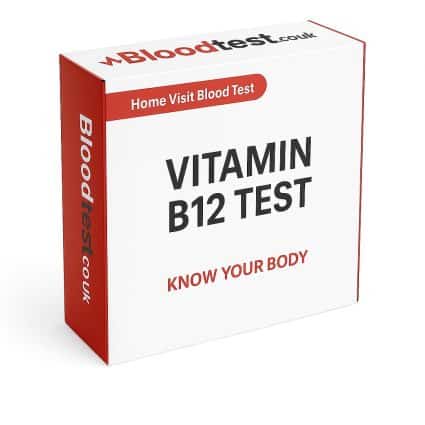
Discover Why Vitamin B12 Blood Testing is Crucial for Your Health
Understand the Essential Functions of Vitamin B12 in Supporting Your Health
Private Vitamin B12 Blood Testing in Ross-on-Wye: Vitamin B12, a vital water-soluble vitamin, plays a significant role in maintaining nerve function and facilitating the production of red blood cells. This essential nutrient is fundamental to DNA synthesis and enhances the functionality of brain cells. A deficiency in Vitamin B12 can lead to serious health issues, including anaemia and various neurological disorders, dramatically impacting one’s quality of life. The symptoms associated with Vitamin B12 deficiency can be varied and may appear in multiple forms, highlighting the extensive influence of this indispensable nutrient on overall health.

Common symptoms indicating a deficiency include:
- Fatigue and weakness
- Pale or jaundiced skin
- Shortness of breath and dizziness
- Numbness or tingling in extremities
- Difficulty walking and balance issues
- Cognitive disturbances such as memory loss
- Vision problems
- Mood changes, including depression
Recognising these symptoms promptly is essential, as it can help prevent more severe complications and significantly improve overall health outcomes.
What Steps Are Involved in the Vitamin B12 Blood Test Procedure?
The Vitamin B12 blood test is a straightforward and effective procedure, involving the collection of a small blood sample, typically drawn from a vein in the arm. This process is quick and relatively painless, ensuring minimal discomfort for the patient. Several key steps are crucial to this test, each essential for securing reliable results. These steps include:
- Preparation: Your healthcare provider may request information about your medical history and any medications you are currently taking to ensure accurate testing.
- Blood Draw: A needle is gently inserted into a vein in your arm, and a small amount of blood is collected into vials for analysis.
- Post-Procedure Care: After the blood draw, you may be advised to apply pressure to the site to minimise bleeding and ensure proper healing.
- Lab Analysis: The blood sample is then sent to a laboratory for analysis to determine the level of Vitamin B12 present in your bloodstream.
Familiarising yourself with these steps can alleviate any anxiety related to the testing process and underscore its significance for ongoing health monitoring.
Who Should Consider Undergoing a Vitamin B12 Test for Optimal Health?
Vitamin B12 testing is particularly crucial for individuals at heightened risk of deficiency. Those who may particularly benefit from testing include vegans and vegetarians, who might not obtain sufficient B12 through their diet, as well as older adults, whose capacity to absorb the vitamin decreases with age. Individuals suffering from specific digestive disorders, such as Crohn’s disease or celiac disease, may also be at a higher risk. Anyone noticing signs of deficiency should consider undergoing testing to ensure timely intervention. Regular testing not only provides peace of mind but also helps prevent potential health complications.
What Insights Can You Gain from Your Vitamin B12 Test Results?
The results of a Vitamin B12 blood test are generally categorised as normal, low, or high. Normal levels typically range from 200 to 900 pg/mL. If results indicate low levels, this suggests a deficiency that may require further evaluation or treatment through dietary changes or supplementation. Conversely, while elevated Vitamin B12 levels are less common, they can signify underlying conditions such as liver disease or certain blood disorders. Understanding these results is essential for effective health management and ensuring appropriate measures are taken to rectify any imbalances.
Gain Expert Insights on Vitamin B12 Blood Testing in Ross-on-Wye
What Recommendations Do Local Healthcare Professionals Provide Regarding Vitamin B12 Testing?
Healthcare professionals in Ross-on-Wye strongly advocate for regular Vitamin B12 testing for populations at risk. Many general practitioners recommend annual testing for older adults and those following vegan or vegetarian diets, given their increased risk of deficiency. Real-world success stories illustrate the importance of these interventions; for instance, patients who previously experienced fatigue and lethargy have reported substantial improvements in energy levels and overall health following timely testing and subsequent treatment. These examples highlight the critical role local healthcare providers play in guiding patients towards enhanced health outcomes through proactive testing.
How Frequently Should You Schedule Your Vitamin B12 Testing?
The frequency of Vitamin B12 testing can vary based on individual health conditions and dietary habits. Experts generally recommend annual tests for those at risk, including vegans, vegetarians, and older adults. Individuals with diagnosed deficiencies or absorption issues may require more frequent testing. Incorporating regular tests into your healthcare routine can be simple; consider setting reminders to coincide with your medical check-ups. This proactive strategy not only aids in effective health management but also ensures that any deficiencies are promptly addressed, preventing potential health complications.
Where Can You Access Reliable Vitamin B12 Testing Services in Ross-on-Wye?
Ross-on-Wye is home to several clinics and laboratories where residents can undergo Vitamin B12 testing. Choosing the right facility is crucial to ensure accurate results and a positive testing experience. Local healthcare providers, including general practices and specialised clinics, offer these essential services. When selecting a clinic, consider factors like accreditation, the expertise of medical staff, and patient reviews to make an informed decision. Local health professionals can direct you to reputable facilities, ensuring you receive optimal care for your health needs.
Explore the Advantages of Vitamin B12 Testing for Your Health
Why is Early Detection of Vitamin B12 Deficiency Essential for Your Health?
Identifying Vitamin B12 deficiency early is critical, as it can avert serious health complications such as anaemia and nerve damage. By swiftly recognising low levels of this essential vitamin, individuals can take necessary steps to correct the deficiency and mitigate associated risks. The key health benefits of early detection include:
- Preventing severe anaemia
- Avoiding neurological damage
- Enhancing energy levels and mood stability
- Improving cognitive function
Understanding the implications of deficiency and taking proactive measures can significantly enhance overall health and well-being, leading to a more vibrant life.
What Health Benefits Can You Expect from Maintaining Adequate Vitamin B12 Levels?
Vitamin B12 is vital for numerous bodily functions, and maintaining sufficient levels can result in significant health advantages. One of the first noticeable effects is increased energy levels, as adequate Vitamin B12 supports the production of red blood cells, which are crucial for oxygen transport throughout the body. Furthermore, enhanced nerve function helps prevent conditions like neuropathy and cognitive decline, thereby promoting overall brain health. Regular intake of Vitamin B12 also safeguards against anaemia, ensuring that individuals maintain optimal levels of this essential nutrient for overall health and vitality.
Is Vitamin B12 Testing a Cost-Effective Option for Health Management?
The cost of a Vitamin B12 blood test is generally low compared to the potential health benefits and treatment costs associated with undiagnosed deficiencies. By investing in this straightforward blood test, individuals can avoid the greater expenses associated with treating complications that arise from Vitamin B12 deficiency. Early detection can lead to timely interventions, ensuring that necessary dietary changes or supplementation are initiated, ultimately resulting in more economical health outcomes in the long run. Prioritising health through regular testing can provide substantial financial and health benefits.
Essential Guidelines for Preparing for Your Vitamin B12 Blood Test
Do You Need to Fast Before Your Vitamin B12 Blood Test for Accurate Results?
Fasting is generally not required prior to a Vitamin B12 blood test, making it a convenient procedure for most individuals. However, it is essential to follow your healthcare provider’s specific instructions, as some may recommend avoiding certain foods for a short period before the test. Typically, steering clear of fatty or fried foods can be beneficial, as these may interfere with blood test results. By adequately preparing and adhering to guidelines, you can ensure the testing process is as smooth as possible, resulting in accurate results.
What Medications Should You Discuss with Your Healthcare Provider Before Your Vitamin B12 Testing?
Certain medications can influence Vitamin B12 levels, potentially affecting test outcomes. It is crucial to inform your healthcare provider about any medications or supplements you are currently taking. Some medications, such as proton pump inhibitors or metformin, may hinder vitamin B12 absorption. Additionally, high doses of Vitamin C or specific supplements could interfere with test results. By providing your healthcare provider with a comprehensive list of medications, personalised advice can be offered on whether any adjustments are necessary prior to testing.
When Is the Optimal Time to Schedule Your Vitamin B12 Blood Test for Best Results?
Choosing an appropriate time for your Vitamin B12 blood test can enhance your overall experience. Morning appointments are often recommended as they allow you to manage your day without the stress of waiting or potential delays. Moreover, it is advisable to avoid intense physical activity before the test, as this can impact your results. Ensuring you are well-rested and calm on the day of your test can contribute to more accurate results and a smoother testing experience.
What Can You Expect During the Blood Test Procedure?
The Vitamin B12 blood test involves a simple blood draw, usually from a vein in your arm. This procedure is quick, typically taking less than 10 minutes from start to finish. After the blood is drawn, you will receive aftercare instructions, which may include applying pressure to the site to prevent excessive bleeding. Most individuals experience minimal discomfort, and the entire process is designed to be efficient and uncomplicated. Knowing what to expect can help reduce any anxiety surrounding the test, making it a more positive experience.
Understanding Your Vitamin B12 Test Results for Effective Health Management
What Are Normal Vitamin B12 Levels and Their Significance?
Normal Vitamin B12 levels generally range from 200 to 900 pg/mL. Understanding these levels is essential, as anything below 200 pg/mL typically indicates a deficiency that may require further investigation. Numerous factors can influence these levels, including age, dietary intake, and specific health conditions. Pregnant individuals or those with certain medical issues may require different target levels. Regular monitoring can help maintain optimal B12 levels and inform necessary adjustments to diet or treatment.
How Should You Interpret Low Vitamin B12 Levels for Health Action?
If your Vitamin B12 blood test reveals low levels, it is vital to discuss the results with your healthcare provider. Low levels may necessitate further testing to determine the underlying cause, such as dietary insufficiency or absorption problems. Immediate supplementation, whether through dietary changes or Vitamin B12 injections, may be recommended to restore adequate levels. Taking proactive steps upon receiving low results can effectively reduce the risk of long-term complications and significantly improve health outcomes.
What Should You Do If Your Vitamin B12 Levels Are Elevated for Health Monitoring?
Elevated Vitamin B12 levels are less common but can occur due to various factors such as liver disease or specific types of leukaemia. If your test results indicate high levels, it is crucial to consult your healthcare provider for further evaluation. While elevated levels may not always signify an immediate health concern, they can indicate underlying issues that require attention. Understanding these results with the guidance of a healthcare professional is essential for effective management and maintaining overall health.
Effective Strategies for Vitamin B12 Blood Testing in Ross-on-Wye
How to Choose the Right Clinic for Your Vitamin B12 Test in Ross-on-Wye?
Selecting a reputable clinic for your Vitamin B12 blood test is vital for obtaining accurate results and ensuring a positive patient experience. When choosing a facility, consider factors like accreditation, the expertise of medical staff, and patient feedback. Research local clinics in Ross-on-Wye and seek recommendations from healthcare professionals or acquaintances who have undergone testing. A well-regarded clinic not only ensures quality but also provides a supportive environment for patients seeking care and guidance.
What Should You Expect During Your Visit for Testing at the Clinic?
During your visit for a Vitamin B12 blood test, you can anticipate a brief consultation with the healthcare provider, followed by the blood draw. The process is typically straightforward and quick, designed to minimise discomfort. Patients often express reassurance due to the staff’s professionalism, which can help alleviate anxiety surrounding the test. Real-world examples illustrate how clinic staff provide clear instructions and support throughout the process, fostering a positive patient experience that encourages confidence in healthcare services.
How to Effectively Follow Up After Your Vitamin B12 Testing for Optimal Health?
Following up after your Vitamin B12 blood test is an essential step in managing your health effectively. Your healthcare provider may recommend dietary adjustments, supplements, or further testing based on your results. Maintaining regular communication with your provider can assist in monitoring your Vitamin B12 levels and adapting your health plan as needed. Keeping a detailed record of your dietary intake and any symptoms you experience can help you manage your levels effectively after the test, ensuring a proactive approach to your health.
Understanding the Risks of Vitamin B12 Deficiency for Your Overall Well-Being
How Does Vitamin B12 Deficiency Impact Your Overall Health?
Vitamin B12 deficiency can lead to numerous serious health issues, including anaemia, nerve damage, and cognitive decline. Long-term untreated deficiency can result in irreversible neurological damage, making early detection and intervention of utmost importance. Furthermore, individuals may experience fatigue, weakness, and mood disturbances, which can significantly disrupt daily life and overall well-being. Recognising the risks associated with Vitamin B12 deficiency highlights the critical need for regular testing and proactive health management to protect against potential complications.
Which Groups Are Most at Risk for Vitamin B12 Deficiency?
Certain populations are at a heightened risk for Vitamin B12 deficiency, including vegetarians, vegans, and older adults. These groups may not consume adequate dietary sources of Vitamin B12, potentially leading to deficiencies. Additionally, individuals with specific medical conditions, such as pernicious anaemia or gastrointestinal disorders, may struggle with vitamin absorption. Dietary habits play a crucial role in this context, and making informed food choices is essential for maintaining sufficient Vitamin B12 levels and promoting overall health.
Can You Prevent Vitamin B12 Deficiency Through Diet and Testing?
Preventing Vitamin B12 deficiency can be achieved through a balanced diet rich in Vitamin B12 sources and regular testing. Foods such as meat, fish, dairy products, and fortified cereals can provide sufficient amounts of this vital vitamin. For those adhering to a plant-based diet, it is essential to incorporate fortified foods and supplements to meet their nutritional requirements. Regular screenings can help identify potential deficiencies early, enabling timely interventions such as dietary adjustments or supplementation, ultimately reducing the risk of health complications.
Strategies to Enhance Your Vitamin B12 Levels for Better Health
What Foods Are Rich in Vitamin B12 to Include in Your Diet?
To effectively boost Vitamin B12 levels, it is crucial to incorporate foods that are rich in this nutrient into your diet. Animal products such as meat, fish, dairy, and eggs are excellent sources of Vitamin B12. For individuals following a vegan or vegetarian diet, options such as fortified cereals, nutritional yeast, and plant-based milk alternatives can provide the necessary nutrients. Thoughtfully planning meals that include these foods can significantly enhance your Vitamin B12 intake, ensuring that your dietary choices support optimal health and vitality.
Should You Consider Vitamin B12 Supplements for Nutritional Support?
For those with dietary restrictions or absorption issues, taking Vitamin B12 supplements can be a practical and necessary choice. Supplements are available in various forms, including oral tablets, sublingual tablets, and injections, providing flexibility tailored to individual needs and preferences. Consulting with a healthcare provider can help determine the appropriate type and dosage of supplementation necessary to maintain optimal Vitamin B12 levels, ensuring you receive adequate nutrition for your health.
What Alternative Treatments Are Available for Vitamin B12 Deficiency Management?
In cases of severe Vitamin B12 deficiency or challenges with absorption, alternative treatment options may be recommended. Injections or nasal sprays can deliver Vitamin B12 directly into the bloodstream, circumventing any digestive absorption issues. Each treatment option has its own benefits and drawbacks, and discussing these with your healthcare provider can help you identify the most suitable approach to managing your Vitamin B12 levels and ensuring optimal health effectively.
Local Resources and Information for Vitamin B12 in Ross-on-Wye
Where Can You Find Additional Information on Vitamin B12 for Your Health?
Residents of Ross-on-Wye can access valuable resources related to Vitamin B12 at local libraries and health centres. These establishments often provide educational materials, pamphlets, and digital resources that cover dietary recommendations, health risks associated with deficiency, and the importance of regular testing. Engaging with these local resources can enhance knowledge and awareness, empowering individuals to make informed decisions about their health and well-being, ultimately leading to improved health literacy in the community.
What Support Groups Exist for Individuals with Vitamin B12 Deficiency in Your Area?
Support groups for individuals experiencing Vitamin B12 deficiency can be incredibly beneficial, offering a sense of community, shared experiences, and practical advice. Local health centres or online platforms often host these groups, providing a space for individuals to connect and support one another. Joining such groups can foster a sense of belonging and empowerment, enabling individuals to navigate their health journey more effectively and encouraging them to adopt positive lifestyle changes.
How to Connect with Local Health Professionals for Vitamin B12 Support?
Contact information for doctors, nutritionists, and health professionals in Ross-on-Wye is readily available online and through local health services. When reaching out, it is advisable to prepare a list of questions, such as inquiries about testing procedures, dietary recommendations, and supplementation options. Effective communication with healthcare providers can enhance understanding and facilitate better management of your Vitamin B12 levels, ultimately improving overall health and well-being.
Your Frequently Asked Questions Answered About Vitamin B12 Testing
What Is the Purpose of a Vitamin B12 Blood Test for Diagnosis?
A Vitamin B12 blood test measures the level of Vitamin B12 in your bloodstream to assess whether you have a deficiency or excess, ultimately assisting in the diagnosis of potential health issues.
How Long Does It Typically Take to Get Results from a Vitamin B12 Test?
Typically, test results can take anywhere from a few days to a week, depending on the laboratory and the specific testing protocols in place, so patience is necessary after the test.
Can I Eat Before My Vitamin B12 Test for Accuracy?
Generally, fasting is not required for a Vitamin B12 test; however, it is best to follow any specific instructions provided by your healthcare provider beforehand to ensure accurate test results.
What Foods Should I Include to Boost My Vitamin B12 Levels Effectively?
To elevate Vitamin B12 levels, incorporate foods such as meat, fish, eggs, dairy products, and fortified cereals into your diet, focusing on a variety of sources to meet your nutritional needs.
How Common Is Vitamin B12 Deficiency Among Different Populations?
Vitamin B12 deficiency is relatively common, especially among vegetarians, vegans, and older adults, with many individuals unaware that they are deficient in this essential nutrient.
Are There Any Side Effects Linked to Vitamin B12 Supplements That I Should Be Aware Of?
Vitamin B12 supplements are generally safe; however, some individuals may experience mild side effects, such as nausea or headaches. Consulting with a healthcare provider can help determine the best approach for supplementation.
Can a Lack of Vitamin B12 Cause Neurological Issues and Other Health Problems?
Yes, a deficiency in Vitamin B12 can lead to neurological problems, including memory issues, balance difficulties, and peripheral neuropathy if left untreated, making timely intervention crucial.
What Treatment Options Are Available for Vitamin B12 Deficiency Management?
Treatment options for Vitamin B12 deficiency may include dietary modifications, oral supplements, or injections, depending on the severity and underlying cause of the deficiency, ensuring comprehensive care.
How Often Should I Be Tested for Vitamin B12 Levels for Optimal Health?
Individuals at risk, such as older adults and those following restrictive diets, should aim for annual testing. Those with diagnosed deficiencies may require more frequent evaluations to monitor their health effectively.
Can I Reverse the Effects of Vitamin B12 Deficiency Through Treatment?
Yes, with appropriate treatment through supplementation and dietary modifications, many individuals can effectively reverse the effects of Vitamin B12 deficiency and restore their health, thereby enhancing their quality of life.

Connect with us on Facebook for more updates!
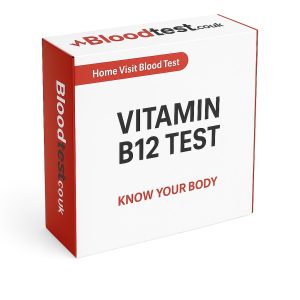
This Article Was First Found On https://bloodtest.co.uk
The Article Vitamin B12 Blood Test: Your Local Guide in Ross-on-Wye Was Found On https://limitsofstrategy.com
The Article Vitamin B12 Blood Test Guide for Ross-on-Wye Residents found first on https://electroquench.com