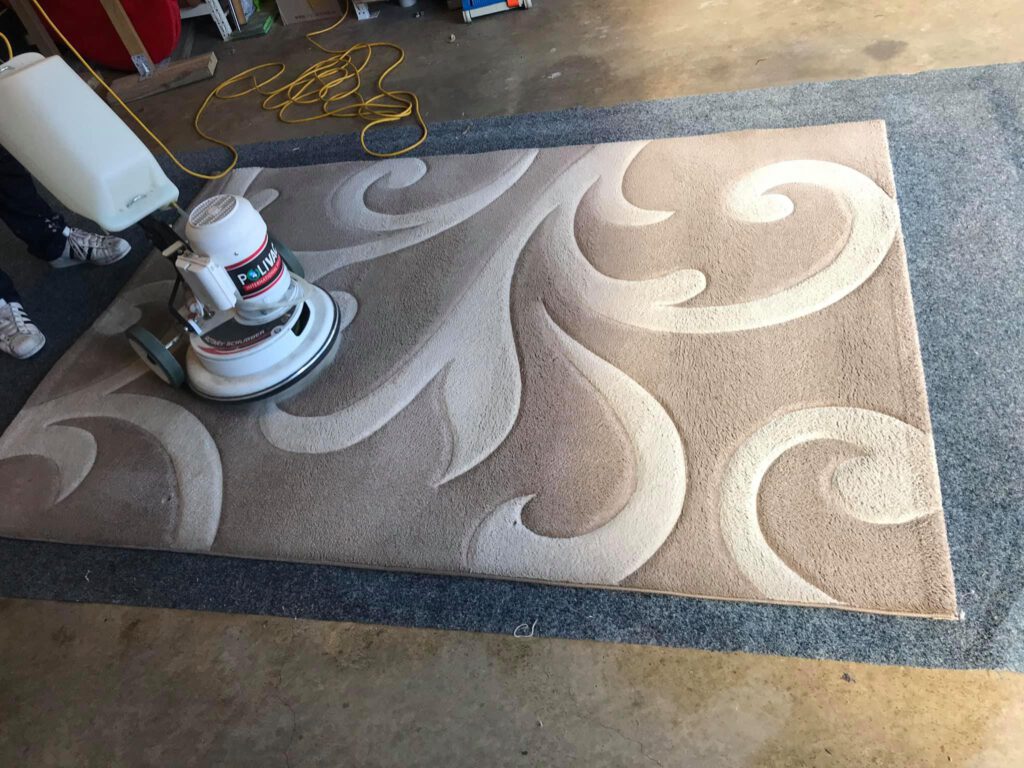
Many individuals often mistakenly perceive that rug cleaning is a simple task—just hiring a cleaning service, having them clean the rug, and that’s the end of it. In reality, the process is far more complex, and any errors made can result in severe and irreversible damage to a cherished item that may be difficult or even impossible to replace. It is essential to grasp the intricacies of rug cleaning to protect your investment and ensure that your rugs retain their pristine condition for years to come.
The specific fibre from which a rug is made is pivotal in determining the most effective cleaning methods to apply. Using inappropriate techniques, even with top-quality equipment, can lead to issues such as shrinkage, colour bleeding, fibre distortion, or irreversible changes to the texture of your rug. Therefore, performing a meticulous assessment is crucial before initiating any cleaning efforts to avoid causing harm to your valuable rugs.
At Wundaguard, we ensure that every rug undergoes a detailed onsite evaluation before we determine the most suitable cleaning method tailored to its unique requirements. This article will elaborate on what that assessment process involves, why it is vital, and what you can expect during our evaluation of your rug.
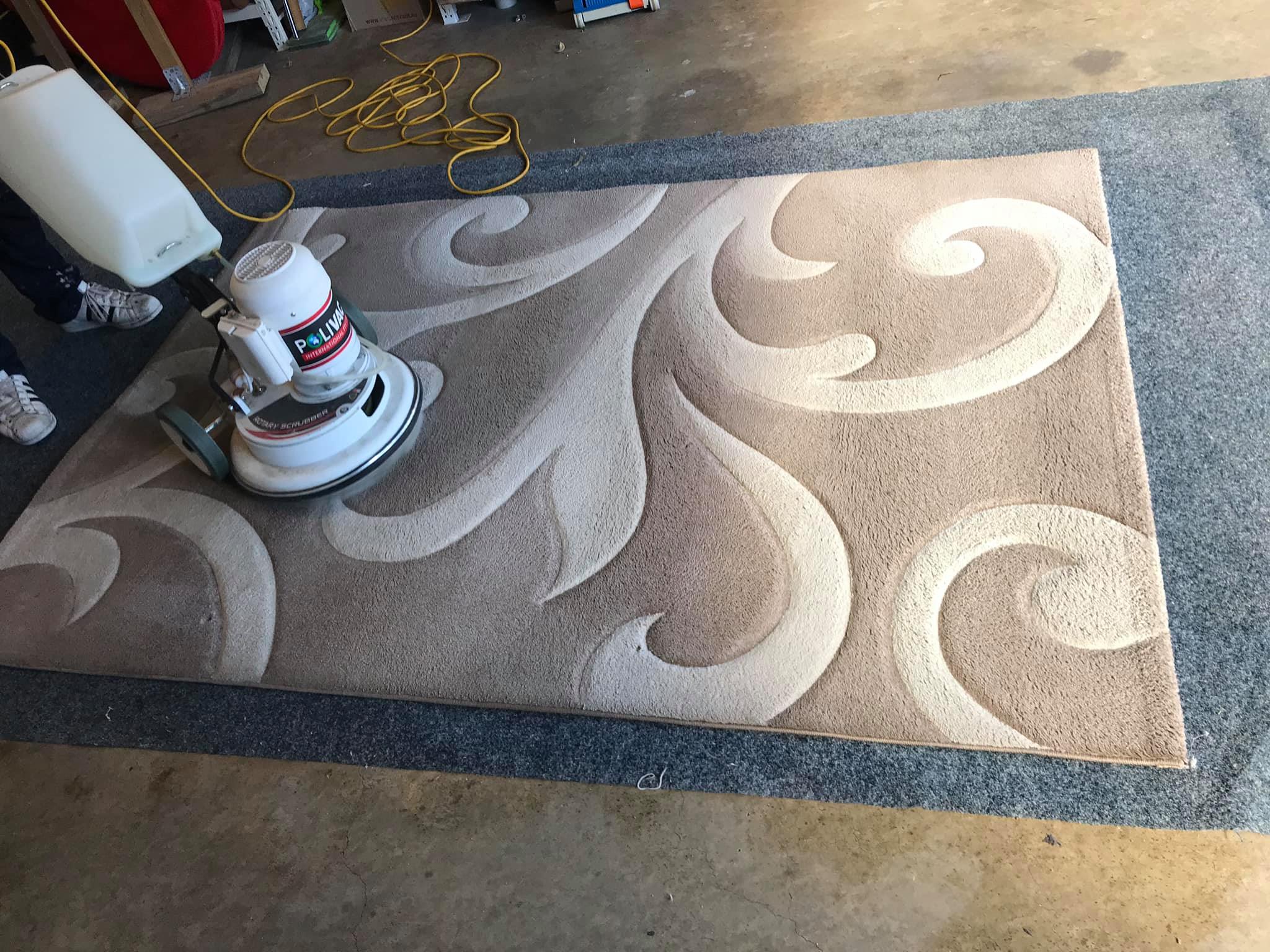
Discover the Importance of Tailored Cleaning Approaches for Different Rugs
Area rugs are constructed from a diverse array of fibres, including natural, synthetic, and blended materials, each displaying unique behaviours when interacting with water, heat, or cleaning solutions. Understanding these differences is essential for effective rug maintenance and care.
For instance, wool is known for its high absorbency and can felt or shrink if exposed to excessive heat or aggressive cleaning techniques. Silk, celebrated for its luxurious texture, is delicate and particularly prone to water staining. Conversely, synthetic fibres like polypropylene are hardy against moisture and respond well to hot water extraction methods. Cotton can withstand some moisture but may shrink if it becomes overly saturated or improperly dried. Natural fibre rugs such as jute, sisal, and seagrass are especially sensitive to moisture and typically require low-moisture or dry cleaning methods to prevent damage.
A cleaner who applies a one-size-fits-all approach to all rugs, disregarding their unique characteristics, risks inflicting irreversible damage on your valuable possessions. The correct cleaning method is determined by the specific materials used in the rug, highlighting the necessity of a tailored approach to ensure the longevity and beauty of your investment.
Identify Common Rug Fibres and Their Unique Cleaning Needs
- Wool: This highly coveted fibre is prevalent in premium area rugs, including distinguished Afghan, Persian, and Turkish designs. While wool is robust, it is sensitive to heat and harsh cleaning agents. Hot water extraction can be applied to wool rugs, but both temperature and moisture levels must be carefully monitored. In some cases, dry cleaning is a safer option to maintain the rug’s integrity and visual appeal.
- Silk: This opulent fibre demands delicate handling. When exposed to moisture, it can distort or develop water stains, and harsh cleaning agents can strip its natural sheen. Therefore, dry cleaning methods are generally preferred for silk rugs and silk blends, ensuring their beauty and elegance are preserved.
- Synthetic fibres (polypropylene, nylon, polyester): Machine-made rugs crafted from synthetic fibres tend to be the most forgiving regarding cleaning methods. They effectively withstand moisture, respond well to hot water extraction, and dry reliably. These rugs are among the easiest to maintain, making them a popular choice for households.
- Cotton: This fibre can endure water-based cleaning but requires careful moisture management. Excessive wetting may lead to shrinkage or distortion in the backing. When applied correctly, hot water extraction proves effective for cotton rugs, restoring their cleanliness without compromising structural integrity.
- Natural fibres (jute, sisal, seagrass): These fibres are exceedingly sensitive to moisture exposure. Wet cleaning can cause swelling, discolouration, or degradation. Therefore, low-moisture or dry cleaning methods are highly recommended, with specialised spot treatment suggested in specific instances to ensure they remain in excellent condition.
- Antique and hand-knotted rugs: These require special attention and care due to their intricate construction. The dyes used in antique rugs can bleed, their foundations may be fragile, and their construction methods can differ significantly. These rugs benefit tremendously from a thorough assessment by an experienced professional before any cleaning method is implemented, ensuring their preservation.
What Is Hot Water Extraction and When Should It Be Used?
Hot water extraction, commonly known as steam cleaning, involves injecting a heated mixture of water and cleaning solution into the rug pile under pressure, followed by the extraction of this mixture along with loosened dirt, allergens, and debris using powerful suction systems.
This cleaning technique is recognised as one of the most effective methods for deep cleaning area rugs. It penetrates the fibre structure rather than merely treating the surface, making it ideally suited for removing embedded dirt, body oils, pet dander, and persistent unpleasant odours that can accumulate over time.
Hot water extraction is particularly suitable for synthetic rugs, cotton rugs, and many wool rugs, where moisture and temperature can be precisely controlled. When applied to the appropriate materials, it delivers a thorough clean that significantly restores the rug‘s appearance and hygiene, making it an excellent choice for regular maintenance and care.
However, it is crucial to note that this method is not suitable for silk, most natural fibre rugs, or antique pieces where moisture poses a genuine risk to the fibres or dyes, potentially resulting in irreversible damage that could ruin a treasured possession.
What Is Dry Cleaning and When Is It the Most Suitable Option for Your Rug?
Dry cleaning for rugs employs low moisture techniques, typically using solvent-based solutions or dry cleaning compounds that cleanse without saturating the fibres with water. This approach is particularly beneficial for moisture-sensitive materials that could be harmed by traditional cleaning methods.
This method is ideal for delicate fibres such as silk, jute, sisal, seagrass, and certain fragile wool or antique rugs where water-based cleaning could cause more harm than good. By employing dry cleaning techniques, we can effectively eliminate dirt, stains, and surface soiling while avoiding the risks associated with introducing significant moisture to sensitive materials, thereby ensuring the longevity of your investment.
Opting for dry cleaning when appropriate is not merely a compromise; it is the correct strategy to ensure that the material is protected while achieving a clean and fresh outcome. This method preserves the integrity of your rug while ensuring it looks its best, enhancing its aesthetic appeal.
Exploring the Advantages of Stain Protection Treatments for Your Rug
Upon completing the cleaning process, Wundaguard provides a professional rug stain protection treatment that can be applied to your rug to enhance its longevity and resistance to everyday spills and stains.
This treatment creates an invisible barrier across the fibres, effectively repelling liquid spills and simplifying the removal of surface soiling before it has the chance to penetrate and set within the fabric. Importantly, this treatment does not change the appearance or texture of the rug; it merely facilitates routine maintenance between professional cleanings, allowing you to keep your rug looking fresh and vibrant.
Applying stain protection is especially advantageous for rugs located in high-traffic areas, homes with children or pets, or for items that would be costly to replace. This preventive measure extends the intervals between professional cleanings and helps to preserve the rug‘s appearance over time, ensuring that it continues to be a stunning part of your décor.
What Should You Anticipate During the Onsite Assessment for Your Rug?
Before any cleaning begins, a Wundaguard technician will conduct a comprehensive assessment covering several key areas that are essential for effective cleaning and maintenance.
This includes evaluating the type of fibre and rug construction, examining the condition of the pile, backing, and any fringes, and determining the type and extent of soiling, which encompasses surface dirt, embedded grime, stains, and odours. Additionally, the technician will identify any signs of damage, wear, or colour instability that may affect the cleaning process. To ensure optimal results, a small test patch in an inconspicuous area may be conducted to confirm the fabric’s response to the selected cleaning method before proceeding.
Only after completing this thorough assessment will a suitable cleaning method be selected. If your rug necessitates dry cleaning, that is the method we will implement. Conversely, if hot water extraction is deemed appropriate and likely to yield a superior outcome, that will be our recommendation. Our approach is carefully tailored to meet the specific needs of the rug, ensuring the best possible care and attention.
Why Is It Vital to Understand the Costs of Improper Rug Cleaning for Your Investment?
When a rug shrinks, bleeds, or distorts during the cleaning process, it is rarely possible to restore it to its original condition without incurring substantial costs. The financial risk is considerably lower for machine-made synthetic rugs, but for high-quality wool rugs, hand-knotted pieces, or antique rugs, the consequences of using an incorrect cleaning method can be significant and costly, leading to an irreversible loss.
This emphasises the practical importance of conducting a thorough assessment; it is not merely a standard procedure but a crucial step that ensures the chosen cleaning method is genuinely appropriate for the piece being cleaned, thereby safeguarding your investment against costly mistakes.
What Are the Costs Involved with Professional Rug Cleaning Services?
Professional area rug cleaning with Wundaguard starts from £99, with pricing determined by the rug size, fibre type, and overall condition of the rug. An optional stain protection treatment is also available as an add-on service, providing additional value and peace of mind.
For a personalised quote tailored to your needs, please contact us directly. We proudly service South West Sydney and surrounding areas, including Campbelltown, Camden, Liverpool, Narellan, Minto, Oran Park, and nearby suburbs, ensuring our clients receive high-quality and convenient service tailored to their requirements.
Commonly Asked Questions Regarding Professional Rug Cleaning Services
How can I identify the fibre composition of my rug?
If a care label is attached, it will typically specify the fibre content. If there is no label present, a professional technician can accurately determine the fibre type during the onsite inspection, ensuring you receive the most suitable cleaning method tailored to your specific rug.
Can you clean antique or oriental rugs?
Absolutely. Antique, Afghan, Persian, and hand-knotted rugs require meticulous handling due to their delicate dyes, aged foundations, and various construction techniques. At Wundaguard, we assess each piece individually before determining the most appropriate cleaning method. These rugs are never subjected to a generic, one-size-fits-all cleaning approach, ensuring their preservation and beauty for years to come.
What is the drying time for a rug after cleaning?
The drying time for a rug varies based on several factors, including the fibre type, the cleaning method employed, and the level of ventilation available. Rugs cleaned using hot water extraction generally dry within 4 to 8 hours in a well-ventilated environment. Conversely, dry-cleaned rugs have minimal drying time. We will provide guidance on optimal drying conditions following the cleaning to ensure your rug is ready for use as soon as possible.
Is it beneficial to apply stain protection to a rug?
For the majority of rugs, especially those positioned in high-traffic areas or homes with children or pets, the answer is yes. The treatment creates a protective barrier that repels spills and simplifies routine maintenance, thereby extending the time between professional cleanings. Importantly, this treatment does not visibly alter the rug‘s appearance or texture, ensuring it looks great while being protected from potential damage.
Can you clean rugs affected by pet stains or odours?
Yes, we can effectively clean rugs that have been impacted by pet urine and related odours. These situations necessitate specific treatments to break down the compounds responsible for the smell, rather than merely performing surface cleaning. We will assess the extent of the soiling during the onsite inspection and recommend the most suitable treatment to ensure your rug is thoroughly cleaned and refreshed, restoring it to its former glory.
How frequently should an area rug undergo professional cleaning?
For most households, a cleaning interval of once every 12 to 18 months is reasonable. However, rugs located in high-traffic areas or homes with pets may benefit from more frequent cleaning to maintain their appearance and hygiene. Additionally, applying a stain protection treatment after cleaning helps prolong the interval between professional services, ensuring your rug stays in excellent condition for longer.
The Article: Rug Cleaning: Choosing Steam or Dry Based on Fibre Type first appeared on https://writebuff.com
The Article Rug Cleaning: Selecting Steam or Dry Methods by Fiber Type Was Found On https://limitsofstrategy.com
The Article Rug Cleaning Methods: Choosing Between Steam and Dry Techniques found first on https://electroquench.com