Your Comprehensive Resource for Recognising and Managing Burn Injuries in Pets
What Are the Most Common Types of Burns in Pets?

Burn injuries in pets fall into three main categories: thermal burns, chemical burns, and electrical burns. Thermal burns occur when pets encounter hot surfaces, flames, or scalding liquids. Chemical burns result from exposure to harmful substances, such as household cleaners or toxic plants. Electrical burns happen due to contact with electrical currents, which may cause severe internal injuries. Recognising these injuries early is crucial to prevent serious complications. Common signs include redness, blistering, swelling, and significant pain, all of which require prompt veterinary attention to ensure your pet’s health and safety.
Timely recognition of these symptoms can greatly influence the healing process of a burn injury. If your pet exhibits signs of distress, discomfort, or behavioural changes, it is vital to assess the situation without delay. Acting quickly not only prevents further tissue damage but also promotes effective healing, ensuring your pet receives the highest standard of care.
How Can You Recognise the Early Symptoms of Burns in Pets?
The initial signs of burns in pets often manifest as pain and swelling in the affected area. Pets may show discomfort through behaviours like whining, licking the wound, or favouring the injured limb. It is essential for pet owners to remain observant and quickly identify these signs. Recognising symptoms early can mean the difference between minor treatment and a more serious medical intervention.
When a burn is suspected, immediate action is critical. The sooner you respond to the injury, the better your chances of minimising damage and encouraging healing. Observing your pet’s behaviour closely can provide valuable insights into their condition and guide your next steps in addressing their needs.
What Common Situations Lead to Burn Injuries in Pets?
Burn injuries in pets can occur due to a variety of common situations. Frequent causes include accidental contact with hot surfaces, exposure to chemicals, and electrical hazards. Understanding these risks is vital for preventing such injuries. By identifying common sources of burns, pet owners can take proactive measures to safeguard their furry companions.
Creating a safer living environment for pets requires awareness of potential dangers within your home. Implementing basic safety measures, such as keeping hot items out of reach and securing electrical cords, can significantly reduce the risk of burn injuries. Simple adjustments can make a substantial difference in protecting your beloved pets from harm.
Crucial Steps for Effectively Treating Burn Injuries in Pets
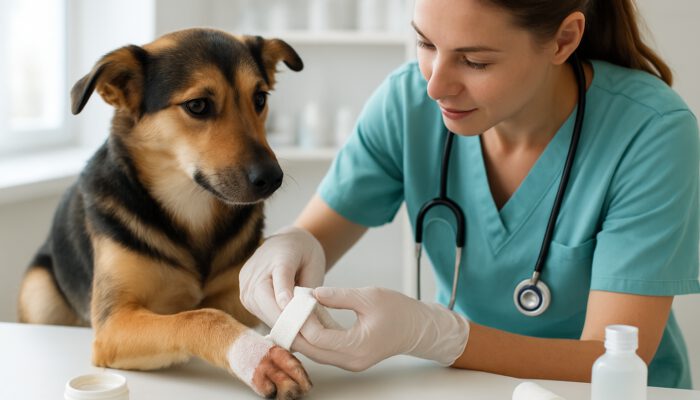
What Is the Proper Method for Cleaning a Burn Wound on a Pet?
Correctly cleaning a burn wound is vital for effective recovery and minimising the risk of infection. Start by gently rinsing the affected area with cool water for at least 10-15 minutes. This helps to cool the burn and alleviate pain. Avoid using ice or extremely cold water, as these can cause additional damage to the tissue.
After rinsing, gently cleanse the area with a mild antiseptic solution. Do not scrub the wound, as this could aggravate the injury and lead to further complications. Ensuring thorough cleaning lowers the risk of infection and paves the way for a successful healing process. Following these steps can significantly enhance your pet’s chances of recovery.
How Should First-Aid Dressings Be Applied to Burn Wounds?
Selecting the appropriate materials for first-aid dressings is crucial for ensuring effective wound care. Non-stick bandages are ideal, as they protect the wound from dirt and bacteria while allowing for air circulation. This promotes healing and reduces the risk of infection, which is essential for your pet’s recovery.
When applying the bandage, wrap it securely but not too tightly; excessive pressure may impede circulation. Keeping the dressing clean and dry is essential, and it should be changed regularly to facilitate optimal recovery. Proper application of dressings can greatly influence the healing process and enhance your pet’s comfort.
Why Is Monitoring Your Pet’s Behaviour After a Burn Injury Critical?
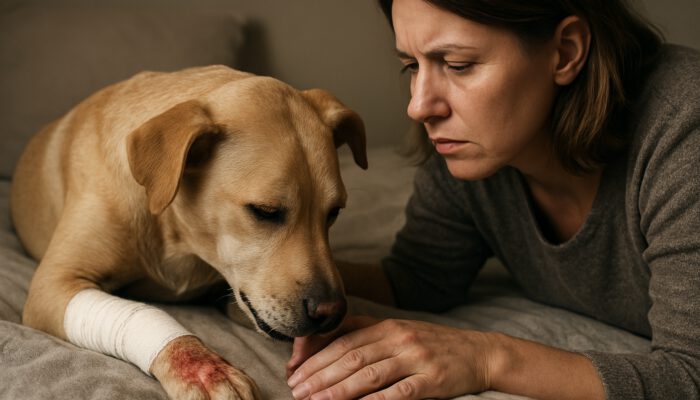
Diligently monitoring your pet’s behaviour after a burn injury is essential for assessing their recovery progress. Changes in activity levels can indicate either improvement or concern. For example, if your pet appears more lethargic than usual or exhibits signs of discomfort, it may signal a need for further veterinary attention.
Be attentive to any signs of distress, such as excessive licking of the wound or alterations in appetite. These behaviours can provide important insights into your pet’s healing process and help you adjust their care routine to ensure a smoother recovery.
What Are the Primary Causes of Burn Wounds in Pets?
Which Household Hazards Heighten the Risk of Burn Injuries?
Household environments can present various risks contributing to burn injuries in pets. Common threats include hot surfaces, open flames, and hazardous chemicals found in everyday products. Recognising these risks empowers pet owners to take proactive measures to shield their furry companions from potential harm.
Implementing straightforward safety practices, such as installing pet-proof barriers around hot appliances and securely storing chemicals, can dramatically reduce the likelihood of burn incidents. By creating a safer home environment, you can better protect your pets from potential dangers that may result in painful injuries.
How Do Burns Impact Pet Mobility and Daily Activities?
Burn injuries can significantly hinder a pet’s mobility and affect their daily activities. Depending on the severity and location of the burn, pets may experience pain that restricts their ability to walk, run, or engage in normal play. This impact can be upsetting for both the pet and the owner, who desires to see their companion active and content.
Supporting recovery requires providing a comfortable environment and encouraging gentle movements. Gradually reintroducing activities can help maintain their quality of life while ensuring proper healing. Balancing rest and rehabilitation is crucial for facilitating optimal recovery and enabling your pet to resume normal activities as soon as possible.
How Can Environmental Adjustments Help Prevent Burns in Pets?
Making practical modifications to your home can significantly decrease the risk of burn injuries for pets. Start by eliminating hazards, such as securing hot appliances and keeping flammable materials out of reach. This proactive approach can create a safer living space for your furry friends.
Consider using pet gates to restrict access to potentially dangerous areas, such as kitchens or workshops. By fostering a safer environment, you can help ensure your pets remain protected from burn injuries and lead healthier, happier lives free from the risk of painful accidents.
Expert Recommendations for Effective Burn Wound Care for Pets
What Are the Best Practices for Managing Burn Wounds?
Effective management of wounds is critical for pets recovering from burns. Best practices include gentle cleaning, applying appropriate dressings, and consistently monitoring for signs of infection. Regular inspection of the wound can help ensure it heals properly and that no complications arise during the recovery process.
Real-world examples of successful treatments highlight the importance of adhering to these guidelines. Many pet owners have reported positive outcomes by following expert advice, demonstrating that proper care can significantly enhance recovery and improve the overall well-being of their pets.
How to Select the Most Suitable Topical Treatments for Burn Wounds?
Choosing the appropriate topical treatments for burn wounds can greatly enhance the healing process. Options such as soothing ointments or gels can alleviate pain and promote tissue repair. Consulting with a veterinarian is essential for insights into the most effective products tailored to your pet’s specific needs and type of burn.
Expert analysis indicates that certain ingredients can accelerate healing, making careful selection of treatments essential for optimal recovery. By incorporating suitable topical care into your pet’s recovery plan, you can effectively support their healing journey and ensure a smoother path to wellness.
What Are the Long-Term Effects of Burn Scarring on Pets?
Burn scars can have enduring effects on a pet’s appearance and comfort. Scarring may lead to changes in mobility or increased sensitivity in the affected area. Understanding these potential outcomes can help pet owners prepare for ongoing care and rehabilitation, ensuring their pets receive the attention they need for a better quality of life.
Effectively managing burn scars involves a combination of veterinary guidance and at-home care. Techniques such as massage therapy and specialised ointments can help minimise scarring and enhance the overall quality of life for pets post-injury. Knowing how to care for scars can significantly contribute to your pet’s long-term comfort and well-being.
What Are the Emergency First Aid Steps for Treating Burn Wounds in Pets?
In the event of a burn, immediate first aid can greatly influence recovery outcomes. Start by cooling the affected area with lukewarm water to effectively alleviate pain and swelling. Cover the burn with a sterile dressing to protect it from infection, avoiding home remedies that could complicate the situation or hinder healing.
Real-life cases illustrate that prompt interventions can minimise damage and facilitate quicker healing. Knowing these emergency steps empowers pet owners to act swiftly and effectively, ensuring their pets receive the best possible care during a critical time.
What Effective Pain Management Techniques Exist for Pets with Burns?
Alleviating pain in pets with burn injuries is essential for their comfort and recovery. Effective strategies include administering prescribed medications and creating environmental adjustments to foster a soothing atmosphere. Pain management is a crucial aspect of the recovery process and should be tailored to each pet’s individual needs.
Experts emphasise the importance of monitoring pets for signs of distress, as these can guide adjustments in pain management strategies. Integrating therapies such as gentle massage or acupuncture can also enhance comfort and expedite recovery processes, ensuring pets feel supported throughout their healing journey.
What Preventative Measures Can You Take to Avoid Burn Injuries in Pets?
What Daily Practices Can Help Reduce the Risk of Burns?
Establishing daily habits can significantly lower the risk of burn injuries in pets. Simple practices, such as securing hot items and ensuring safe storage for chemicals, can create a safer environment for your furry friends and protect them from accidental harm.
Consistency in implementing these practices is crucial for safeguarding pets from potential dangers. By integrating these habits into your daily routine, you can help prevent burn injuries and foster a healthier living space for your pets, ensuring they remain safe and sound.
What Essential Safety Precautions Should Be Taken Around Heat Sources?
Implementing essential safety measures around heat sources is vital for preventing burns in pets. Strategies include using stove guards, turning pot handles inward, and ensuring that heaters are positioned out of reach of curious paws. These precautions can greatly reduce the likelihood of accidents.
Consider installing barriers or alarms to alert you when pets approach potentially hazardous areas. These preventive tools can significantly enhance the safety of your home, allowing your pets to roam freely without the risk of burn injuries.
How Can You Educate Others About Burn Prevention in Shared Spaces?
Raising awareness about burn prevention in shared spaces is essential for protecting pets. Educating family members about safety protocols fosters a collective responsibility for pet welfare and helps create a safer environment for everyone involved.
Encourage discussions regarding potential hazards and share practical tips for keeping pets safe. By cultivating a culture of awareness, you can ensure that everyone in the household contributes to preventing burn injuries, ultimately benefitting your pets and enhancing their quality of life.
Research-Supported Benefits of Comprehensive Burn Wound Care for Pets
What Effective Pain Relief Methods Are Available for Pets?
Research indicates that effective pain relief methods can significantly enhance recovery for pets with burn injuries. Options such as non-steroidal anti-inflammatory drugs (NSAIDs) and topical analgesics have demonstrated positive results in alleviating discomfort and promoting healing during recovery.
Real-world examples highlight how these treatments can accelerate recovery, enabling pets to regain their quality of life more swiftly. By utilising research-backed methods, pet owners can provide their furry friends with the relief they need during the healing process.
How Does Proper Care Accelerate the Healing Process for Burn Wounds?
Proper care is essential for expediting the healing of burn wounds. Studies demonstrate that timely and appropriate interventions, such as wound cleaning and regular dressing changes, can facilitate quicker tissue repair and yield better outcomes for the affected area.
Nutrition also plays a vital role in the healing process. A balanced diet rich in essential nutrients aids tissue regeneration and overall recovery, underscoring the importance of comprehensive care strategies for pets with burn injuries. Adopting a holistic approach can significantly enhance recovery times and improve outcomes.
What Are the Advantages of Professional Follow-Up Care for Pets?
Ongoing veterinary support is crucial for preventing complications and improving pet outcomes following a burn injury. Regular follow-up visits enable veterinarians to monitor healing progress and adjust treatment plans as needed for optimal recovery.
Insights from veterinary professionals underscore the importance of adhering to follow-up care recommendations. This proactive approach can lead to better long-term results, ensuring your pet receives the best possible care throughout their recovery journey.
How Can You Identify Signs of Infection in Burn Wounds?
What Are the Early Indicators of Infection in Pets’ Wounds?
Recognising early signs of wound infection is crucial for effective treatment and ensuring your pet’s health. Symptoms such as pus, increased redness, swelling, and fever can indicate an infection, requiring prompt veterinary attention to prevent further complications.
Timely detection and intervention can lead to improved treatment outcomes, preventing the development of more serious issues. Pet owners should remain vigilant and proactive in monitoring their pets’ wounds to ensure swift action when necessary, which can significantly affect the healing process.
How Can You Differentiate Infection from Normal Healing?
Differentiating between normal healing and infection requires careful observation. Signs of normal healing include reduced swelling, scab formation, and diminished pain, while infection may manifest as persistent redness, discharge, or increased discomfort in the affected area.
Understanding these distinctions enables pet owners to make informed decisions regarding their pets’ care. When uncertain about the condition of a wound, consulting with a veterinarian can provide clarity and guidance on the appropriate next steps to take.
What Steps Should Be Taken to Address Potential Infections in Pets?
Promptly addressing potential infections is crucial for maintaining pet health during recovery from burn injuries. Immediate actions include isolating the pet to prevent further injury and gently cleaning the wound to remove any debris or contaminants.
Following these initial steps, it is vital to consult with a veterinarian for further evaluation and treatment. This proactive approach can ensure that any infections are managed effectively, promoting a smoother healing process for your pet and minimising the risk of complications.
Strategies for Long-Term Care and Recovery for Pets with Burns
How Can You Improve Pet Nutrition During the Healing Process?
Nutrition plays a pivotal role in supporting pets throughout their healing journey. Providing a balanced diet rich in proteins, vitamins, and minerals can significantly aid tissue repair and strengthen the immune system, which is essential for recovery.
Consider consulting with a veterinarian to determine the best dietary options tailored to your pet’s specific needs during the healing process. By prioritising nutrition, you can help ensure your pet has the necessary resources for a successful recovery, ultimately enhancing their overall health and well-being.
What Rehabilitation Exercises Are Beneficial for Pets with Burn Injuries?
Incorporating gentle rehabilitation exercises can greatly benefit pets recovering from burn injuries. Activities such as passive range of motion exercises can assist in restoring function and preventing stiffness in the affected area, promoting overall mobility.
These exercises should be introduced gradually, focusing on your pet’s comfort and capabilities. Engaging in rehabilitation can enhance recovery and improve your pet’s overall quality of life during the healing process, making it a vital aspect of their care plan.
When Should You Consider Modifying Your Pet’s Care Routines?
Adjusting care routines is a critical aspect of managing a pet’s recovery from a burn injury. Signs that may indicate a need for changes include persistent pain, swelling, or alterations in appetite. Being proactive can significantly impact your pet’s recovery trajectory.
- Increased signs of distress
- Difficulty moving or using the affected area
- Changes in behaviour or activity levels
- Deteriorating appearance of the wound
Being attentive to these indicators can help ensure effective long-term management and enhance your pet’s healing journey. It is essential to stay attuned to your pet’s needs to provide the best care possible.
How Important Is Emotional Support and Behavioural Monitoring for Pets in Recovery?
Providing emotional support during recovery is as critical as addressing physical needs. Increased interaction, play therapy, and monitoring for signs of stress or anxiety can promote mental health alongside physical healing for your pet.
Creating a nurturing environment that fosters bonding and comfort can significantly enhance your pet’s overall well-being. A holistic approach to recovery ensures that both emotional and physical needs are met, facilitating a successful healing process and improving your pet’s quality of life.
When Should You Seek Professional Veterinary Assistance for Your Pet?
How to Recognise Severe Burn Cases in Pets?
Identifying severe burn cases is essential for ensuring timely veterinary intervention. Critical symptoms include extensive tissue damage, deep burns, or signs of shock. If any of these symptoms are present, it is imperative to seek professional help immediately to prevent further complications and secure the best outcome for your pet.
Prompt action can significantly influence the outcome of severe burn injuries, making it vital for pet owners to remain vigilant and proactive in recognising when their pets require expert care.
What Is the Importance of Follow-Up Care After Veterinary Visits for Pets?
Post-treatment monitoring is crucial for pets recovering from burn injuries. Following veterinary recommendations, such as administering medications and attending follow-up appointments, is essential for maintaining pet health and ensuring a smooth recovery process.
Adhering to these guidelines helps prevent complications and reinforces the importance of ongoing support for your pet’s healing journey. Actively engaging in your pet’s care after veterinary visits significantly contributes to their long-term recovery.
How Can Home Care Be Integrated with Veterinary Guidance for Optimal Pet Recovery?
Combining professional guidance with daily care routines is vital for comprehensive support during a pet’s recovery. Following the veterinarian’s advice while implementing home care strategies creates a cohesive approach to healing that benefits the pet.
This integration ensures that pets receive the best possible care, balancing professional insights with the comfort of familiar surroundings. Collaborating with your veterinarian can enhance your pet’s recovery experience, making it a fundamental part of their healing process.
FAQs About Pet Burn Care: Common Questions Addressed
What Immediate Actions Should I Take If My Pet Suffers a Burn?
If your pet experiences a burn, cool the affected area promptly with lukewarm water for 10-15 minutes. Avoid using ice, and cover the burn with a clean, dry dressing. Seek veterinary care as soon as possible for further evaluation and treatment.
Is It Safe to Use Human Burn Ointments on My Pet?
No, human burn ointments may contain ingredients that are harmful to pets. Always consult your veterinarian before applying any topical treatments to ensure they are safe and effective for your pet’s specific needs.
How Can I Determine If My Pet’s Burn Is Healing Appropriately?
Signs of healing include reduced swelling, scab formation, and decreased pain. If you observe any worsening symptoms, such as increased redness, discharge, or persistent discomfort, consult your veterinarian for guidance.
Are There Specific Diets That Support Recovery from Burns in Pets?
Yes, diets rich in proteins, vitamins, and minerals can assist in recovery. Consult your veterinarian for dietary recommendations tailored to your pet’s specific needs during the healing process to enhance their recovery.
How Long Does It Typically Take for a Pet to Heal from a Burn Injury?
Healing time varies based on the severity of the burn. Minor burns may heal within a few days, while more severe injuries can take weeks to months. Regular veterinary check-ups are essential to monitor progress throughout the recovery period.
What Are the Signs of Infection in Burn Wounds for Pets?
Signs of infection include increased redness, swelling, pus, and fever. If you observe these symptoms, contact your veterinarian immediately for appropriate treatment to prevent further complications.
Can Burn Scars Impact My Pet’s Mobility?
Yes, burn scars can affect mobility, especially if they restrict movement or cause discomfort. Rehabilitation exercises and proper care can help mitigate these effects and improve mobility over time.
What Should I Avoid When Caring for a Burn Wound on My Pet?
Avoid using ice, applying human medications, or allowing your pet to lick the wound. These actions can worsen the injury or lead to infection. Always follow veterinary advice for wound care to ensure the best possible outcome.
How Can I Help My Pet Cope Emotionally During Their Recovery?
Provide increased interaction, gentle play, and a comfortable environment. Monitor for signs of stress or anxiety and consider consulting a veterinarian for additional support strategies to help your pet feel secure and loved.
When Should I Seek Emergency Care for My Pet’s Burn?
Seek emergency care if your pet exhibits signs of severe burns, such as extensive tissue damage, deep burns, or indications of shock. Prompt action can significantly influence the outcome of severe injuries, making it crucial to act quickly.
Join Our Community on Facebook for More Insights!
The Article Burn Wound Care for Pets: Essential Tips for Safe Healing First Published On https://elgatoencasa.com
The Article Burn Wound Care for Pets: Key Tips for Safe Recovery Was Found On https://limitsofstrategy.com
The Article Burn Wound Care for Pets: Essential Tips for Healing found first on https://electroquench.com