Your Ultimate Guide to Landscape Drainage Solutions for Property Protection
What is Landscape Drainage and Why is it Vital for Safeguarding Your Property?

When we speak of landscape drainage in the picturesque West End of Vancouver, we highlight the essential management of excess water aimed at protecting properties from the harmful repercussions of flooding and erosion. This management encompasses a variety of systems, including French drains, surface grading, and swales, all specifically designed to redirect water away from susceptible areas. The overarching goal is to preserve the integrity and functionality of landscapes while preventing common drainage issues that homeowners frequently encounter, including:
- Water pooling in yards, leading to unsightly conditions.
- Basement flooding</, which can cause significant damage.
- Soil erosion, threatening the stability of your garden.
- Inadequate water flow away from foundations, risking structural damage.
- Driveway washouts, which can be hazardous.
- Mould and mildew growth resulting from excess moisture, impacting health.
- Plant and lawn health deterioration due to improper water management.
For homeowners, grasping the complexities of landscape drainage is crucial, particularly in areas like the West End of Vancouver, where heavy and frequent rainfall poses substantial challenges for property management and upkeep.
Why is Proper Drainage Critical for Maintaining Your Property’s Structural Integrity?
The importance of effective drainage cannot be overstated. Primarily, it acts as a formidable barrier against soil erosion, which not only undermines the visual appeal of landscapes but also threatens the structural stability of buildings. If left unchecked, the flow of water can severely undermine foundations, leading to costly repairs over time. Additionally, a well-designed drainage system is pivotal in maintaining the health of your landscape by ensuring that plants receive an optimal amount of water without the risk of over-saturation. This equilibrium is essential for both residential and commercial properties, helping to maintain aesthetic charm and protect property value.
Furthermore, a robust drainage system mitigates health risks associated with stagnant water, which can encourage insect infestations and mould growth. By investing in quality drainage solutions, homeowners can create a safer living environment while simultaneously enhancing the value and appeal of their properties.
What Benefits Can You Anticipate from Professional Drainage System Installation?
Opting for professional installation of drainage systems presents a myriad of advantages. Expert installation ensures that drainage solutions are meticulously tailored and executed according to the specific conditions of each property. This includes critical factors such as soil type, topography, and existing infrastructure. Such a custom approach significantly boosts the efficiency and durability of drainage systems.
Moreover, enlisting professionals for your drainage system installation can result in long-term financial savings for homeowners. By proactively addressing potential drainage issues, the likelihood of incurring expensive repairs related to water damage is greatly reduced. Additionally, many professionals offer warranties on their services, providing homeowners with peace of mind that their systems will function effectively for many years to come.
Comprehensive Overview of Landscape Drainage Services in West End, Vancouver

What Unique Challenges Does the West End Present for Drainage Solutions?
The West End of Vancouver is notable for its densely populated urban setting and distinctive geographical features, including its proximity to the coastline and surrounding hills. These characteristics present specific challenges regarding landscape drainage. The frequent and heavy rainfall in this region necessitates drainage solutions that can effectively handle sudden and intense downpours, particularly during the wet season.
Local experts have successfully implemented various strategies, such as French drains and permeable paving, across numerous properties to tackle these drainage challenges. One prominent case involved a residential project where French drains were installed to divert water away from a basement that frequently suffered from flooding. This intervention not only protected the home but also enhanced the overall landscape, resulting in flourishing garden beds that thrived without the threat of waterlogging.
How Can You Determine the Most Suitable Drainage System for Your Property?
Selecting the appropriate drainage system for your property is a crucial decision influenced by several factors, including soil type, topography, and prevailing water flow patterns. In the West End, where clay soils are common, it may be necessary to implement systems designed to enhance drainage, such as French drains or dry wells.
For properties situated on significant slopes, surface grading can effectively redirect water away from the foundation. Homeowners should also consider any existing structures or landscaping features that could affect drainage patterns. Consulting with a local drainage professional can yield tailored recommendations, ensuring that the chosen system effectively addresses the specific drainage challenges frequently faced in the area.
What Are the Key Stages Involved in the Installation Process of Drainage Systems?
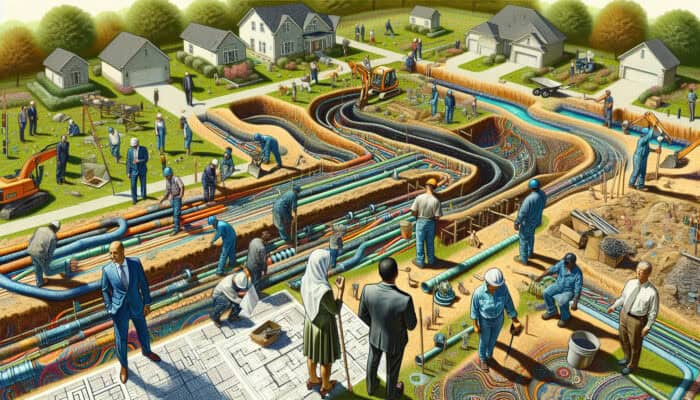
The installation of landscape drainage systems involves several critical steps. Initially, a thorough site assessment is conducted to evaluate existing conditions and identify problem areas. Following this evaluation, a drainage system is designed, taking into account the unique characteristics of the property and the most effective solutions to address these challenges.
Once the design is finalised, the implementation phase commences, which may involve excavation for trenching, installation of drainage materials, and ensuring precise grading. Homeowners are encouraged to remain engaged throughout the process, posing questions and providing input to ensure that the final system aligns with their expectations. By understanding each stage of the installation, homeowners can effectively prepare their property for a seamless process.
Identifying Common Drainage Problems in West End, Vancouver
What Factors Contribute to Poor Drainage Conditions?
Poor drainage in the West End can stem from numerous factors, including heavy rainfall, soil compaction, and inadequate grading. In urban settings where impervious surfaces like asphalt and concrete dominate, water often struggles to flow naturally, resulting in pooling and flooding. Furthermore, soil compaction can develop due to foot traffic or heavy machinery, which further diminishes the ground's ability to absorb water.
Improper grading can exacerbate drainage issues, as it might cause water to flow towards, rather than away from, structures, increasing the risk of water-related complications. Identifying these causes is essential for effectively addressing drainage concerns and implementing suitable solutions tailored to the specific conditions of West End properties.
What Symptoms Should You Be Aware of Indicating Drainage Issues?
Early detection of drainage problems can prevent substantial property damage. Common signs that suggest drainage issues include:
- Water pooling in various areas of the yard, creating safety hazards.
- Consistently soggy ground, indicating poor drainage.
- Basement or crawl space flooding, leading to severe damage.
- Cracks in foundation walls, signalling structural weaknesses.
- Mould or mildew growth inside or around the property, impacting health.
- Unusual plant growth patterns, where some areas flourish while others decline.
- Water stains on walls or floors, indicative of moisture problems.
Being vigilant for these symptoms allows homeowners to promptly address drainage concerns, preventing them from escalating into costly repairs.
What Solutions Are Available to Address Specific Drainage Problems?
Effectively tackling drainage issues requires customised solutions based on the specific problems at hand. For instance, if water pooling occurs due to poor grading, simple adjustments to the landscape's slope may suffice to resolve the issue. In more complex situations, such as chronic basement flooding, a comprehensive drainage system may be essential.
In cases involving severely compacted soils, aeration techniques can significantly improve water absorption. Additionally, the installation of catch basins or perforated pipes can enhance water management in areas prone to excess moisture. Tailoring solutions to address the unique challenges of each property ensures effective drainage and long-term viability.
How Does Poor Drainage Affect Property Value?
The repercussions of inadequate drainage extend beyond mere inconvenience; they can significantly influence property value. Properties with unresolved drainage issues often face depreciation due to the risk of water damage, structural complications, and the potential for costly repairs. Homebuyers are becoming increasingly aware of the importance of reliable drainage systems and may hesitate to invest in properties showing signs of water-related difficulties.
Conversely, proactively addressing drainage concerns can enhance property value by demonstrating responsible maintenance and care. Well-managed drainage systems contribute not only to the structural integrity of homes but also to their overall aesthetic appeal, making them more attractive to prospective buyers.
Essential Maintenance Practices for Your Drainage System
What Regular Maintenance Tasks Should You Implement?
Regular maintenance of your drainage system is crucial to its longevity and efficiency. Key maintenance tasks include:
- Cleaning gutters and downspouts to prevent clogs and ensure proper flow.
- Inspecting drainage systems for signs of wear or blockage to identify issues early.
- Ensuring proper water flow around the property to avoid pooling.
- Checking for sediment buildup in drainage areas, which can obstruct water flow.
- Monitoring plant health, as overly moist areas may signal drainage problems.
- Trimming vegetation around drainage systems to prevent obstruction and ensure unimpeded flow.
- Evaluating the condition of drainage materials periodically to maintain effectiveness.
By incorporating these maintenance tasks into a regular schedule, homeowners can avert major drainage concerns and extend the lifespan of their systems, ensuring a well-functioning landscape.
When Should You Seek Professional Assistance?
Homeowners should contemplate reaching out to a professional drainage service when they notice persistent pooling of water, unusual odours, or indicators of system failure, such as water backup. If uncertainties arise regarding the maintenance of the drainage system or if problems persist despite efforts, seeking expert intervention becomes essential.
Professional services provide a comprehensive evaluation and can recommend effective solutions to restore proper drainage, preventing further complications. Recognising when to seek assistance can save both time and resources in the long run, ensuring your property remains protected.
What Are the Financial Considerations Associated with Drainage System Maintenance?
The costs associated with maintaining a drainage system can vary significantly based on several factors, including the system's complexity, frequency of service, and its location. Homeowners should prepare to budget for routine inspections, cleaning, and potential repairs to ensure the system remains effective.
Typically, routine maintenance can range from a few hundred pounds annually to more considerable costs for complex systems requiring regular professional assistance. Understanding these expenses allows homeowners to incorporate them into their overall property management budget, ensuring that drainage systems continue to operate efficiently and effectively.
Evidence-Based Benefits of Landscape Drainage Services in West End, Vancouver
How Can Efficient Drainage Systems Enhance Property Value?
Implementing effective drainage systems can significantly increase property value by preventing water damage and promoting landscape vitality. For instance, properties featuring advanced drainage solutions, such as permeable pavers or green roofs, have seen rises in market value due to their reduced risk of flooding and improved overall aesthetic appeal.
Moreover, homeowners in the West End have reported successful property sales after addressing drainage concerns, as potential buyers appreciate well-maintained landscapes that signify lower future maintenance costs. Investing in proper drainage not only secures the property but also serves as a compelling selling point in real estate listings.
What Environmental Advantages Do Effective Drainage Solutions Offer?
Proper drainage systems deliver significant environmental benefits by minimising runoff and preventing soil erosion. When water is managed effectively, it lessens the risk of pollutants entering local waterways, fostering a healthier ecosystem. Furthermore, well-designed drainage solutions can enhance groundwater recharge by allowing water to infiltrate the soil rather than running off.
In urban areas like the West End, adopting sustainable drainage practices can mitigate flooding while enhancing the resilience of the natural landscape. By supporting local ecology through effective drainage, homeowners contribute meaningfully to both the environment and their community.
What Do Recent Studies Reveal About Drainage Efficiency?
Research indicates that well-structured drainage systems considerably reduce water-related issues, enhancing both property value and the usability of outdoor spaces. Studies have shown that properties equipped with effective drainage solutions experience fewer instances of flooding and water damage, thereby lowering long-term maintenance costs.
Experts continually advocate for customised drainage strategies that take local climate and soil conditions into account, as these factors are essential for optimising efficiency. Recent studies emphasise the importance of investing in high-quality drainage solutions, particularly in regions prone to heavy rainfall, such as the West End.
How Can Proper Drainage Improve Outdoor Living Spaces?
Effective drainage is vital for enhancing outdoor living spaces. By preventing waterlogging, homeowners can create functional patios, gardens, and recreational areas that remain enjoyable throughout the year. Well-drained landscapes provide an excellent foundation for outdoor furniture, barbecues, and social gatherings, ensuring these spaces remain inviting and enjoyable.
Moreover, proper drainage nurtures healthy plant growth, allowing landscaping initiatives to thrive without the risk of over-saturation. Homeowners can maximise their enjoyment of outdoor spaces while simultaneously boosting property value through thoughtfully designed drainage solutions that cater to their needs.
What Long-Term Financial Benefits Can Result from Investing in Drainage?
Investing in high-quality drainage solutions yields substantial long-term financial advantages. By implementing effective systems, homeowners can minimise risks associated with water damage, which can lead to significant financial losses. Proper drainage reduces the likelihood of costly repairs related to flooding, foundation issues, and mould remediation.
Furthermore, maintaining a robust drainage system can enhance overall property value, resulting in a better return on investment over time. For homeowners in the West End, this means that taking a proactive stance on drainage not only protects their property but also represents a wise financial strategy.
Choosing the Right Landscape Drainage Service Provider
What Key Characteristics Should You Seek in a Drainage Company?
When selecting a drainage service provider, it’s essential to consider several crucial characteristics. Look for companies that offer:
- Demonstrated experience and expertise in landscape drainage.
- Relevant certifications and licenses, ensuring compliance with local regulations.
- A strong reputation within the local community, reflective of quality service.
- Comprehensive service offerings to address various drainage challenges effectively.
- Transparent pricing with detailed estimates, avoiding hidden costs.
- Positive customer testimonials and references that highlight reliability.
- A commitment to sustainable practices and eco-friendly solutions that benefit the environment.
These attributes signify a trustworthy provider capable of delivering effective drainage solutions tailored to your property’s specific requirements.
How Can You Evaluate a Company’s Track Record?
Assessing a drainage company’s previous work is crucial for making informed decisions. Start by checking references and requesting testimonials from past clients. Additionally, reviewing before-and-after photos of completed projects can provide valuable insight into the quality and effectiveness of their work.
Understanding the scope of past projects will help determine whether the company has experience with scenarios similar to yours. This thorough evaluation process ensures that homeowners select a provider with a proven track record of success in landscape drainage.
What Essential Questions Should You Ask Before Hiring?
Before engaging a drainage service provider, asking the right questions can clarify expectations and ensure a suitable fit. Inquire about their experience with local drainage issues, the specific methods they utilise, and any warranties they provide on their work.
Moreover, request detailed cost estimates and timelines for project completion. Clear communication regarding strategies, materials, and maintenance can foster a collaborative relationship, ensuring that your drainage needs are effectively met.
Emerging Trends in Landscape Drainage Solutions
What Innovations Are Transforming the Future of Drainage Solutions?
The landscape drainage sector is rapidly evolving, with numerous innovations emerging to enhance efficiency and sustainability. Smart drainage systems equipped with sensors can monitor moisture levels and automatically adjust water flow, optimising both performance and resource usage.
Additionally, eco-friendly materials and techniques, such as green roofs and rain gardens, are gaining traction. These solutions not only manage water effectively but also contribute positively to the environment, making them ideal options for environmentally conscious homeowners. As these trends continue to develop, they will shape the future of drainage solutions, particularly in urban regions like the West End.
How Will Climate Change Affect Future Drainage Requirements?
Climate change is anticipated to significantly influence drainage needs in the West End and beyond. With increased rainfall intensity, existing drainage challenges may intensify, necessitating more robust and resilient systems to manage larger volumes of water.
Understanding these future challenges is essential for both homeowners and drainage professionals. By anticipating changes and investing in advanced solutions, property owners can be better equipped for the evolving landscape of water management.
What Role Does Technology Play in Contemporary Drainage Solutions?
Technology is becoming increasingly integral to landscape drainage solutions, particularly in design, monitoring, and maintenance. Software enables system modelling that allows individuals to predict potential issues and formulate effective solutions.
Moreover, smart technologies facilitate real-time monitoring of drainage systems, alerting homeowners to possible failures or blockages before they escalate into costly problems. The integration of technology into drainage solutions enhances overall efficacy and efficiency, greatly benefiting homeowners in the West End.
How Will Urbanisation Influence Future Drainage Needs?
As urbanisation continues to expand in the West End, the demand for innovative drainage solutions grows. The prevalence of impermeable surfaces, such as roads and buildings, can generate higher runoff volumes, intensifying the risk of flooding in urban settings.
To tackle these challenges, developers and homeowners must explore sustainable drainage practices that effectively manage increased water flow. Implementing strategies such as permeable paving and green infrastructure will be essential in maintaining a balanced urban ecosystem while preventing flooding.
Frequently Asked Questions About Landscape Drainage
What Are the Common Indicators of Drainage Issues?
Common indicators include water pooling, soggy ground, basement flooding, and mould growth. Recognising these early signs can help prevent significant damage to your property.
How Frequently Should I Perform Maintenance on My Drainage System?
Regular maintenance is advisable at least once a year, but more frequent checks may be warranted in areas experiencing heavy rainfall or following severe weather events to ensure optimal functioning.
What is the Typical Cost of Installing a Drainage System?
The cost of drainage installation can vary significantly based on system complexity and property size, typically ranging from a few thousand to tens of thousands of pounds, making it essential to plan accordingly.
Can I Install Drainage Systems Myself?
While some homeowners may possess the skills to install basic systems, professional installation is recommended for complex drainage solutions to ensure proper design and effectiveness, safeguarding your investment.
How Can I Prevent Drainage Issues from Arising?
Regular maintenance, appropriate grading, and investing in effective drainage solutions can significantly help avert drainage issues from developing, ensuring the longevity of your landscape.
What Types of Drainage Systems Are Most Suitable for Clay Soil?
French drains and dry wells are often ideal for clay soils, as they assist in redirecting excess water away from problematic areas, preventing flooding.
Do Drainage Systems Require Permits in Vancouver?
Yes, certain drainage installations may necessitate permits. It’s crucial to consult local authorities before proceeding with any drainage project to ensure compliance with regulations.
What Is the Lifespan of a Drainage System?
With proper maintenance, most drainage systems can endure over ten years; however, some components may need replacement sooner due to wear and tear, necessitating regular inspections.
What Should I Do If My Drainage System Becomes Clogged?
If you suspect a clog, inspect the system for visible blockages and clear them if it is safe to do so. Otherwise, consult a professional for assistance to avoid further complications.
Are Eco-Friendly Drainage Solutions Available?
Indeed, many eco-friendly drainage solutions, such as rain gardens and permeable pavers, are designed to manage water sustainably while benefiting the environment, appealing to eco-conscious homeowners.
Connect with us on Facebook!
Presented By: Landscape Drainage in West End Vancouver
The Article: Landscape Drainage Services in West End Vancouver: Your Solution First Published On: https://pacificbluemechanical.ca/
The Article Landscape Drainage Services: Your Solution in West End Vancouver Was Found On https://limitsofstrategy.com
The Article Landscape Drainage Services in West End Vancouver Available Now found first on https://electroquench.com